 Dingzhu auto

Automated Metal Finishing & CNC Polishing Systems
A Comprehensive Technical Whitepaper on Manufacturing Quality, Process Engineering, and Sourcing Strategies.
1. Global Sourcing & Procurement Demands in Surface Finishing
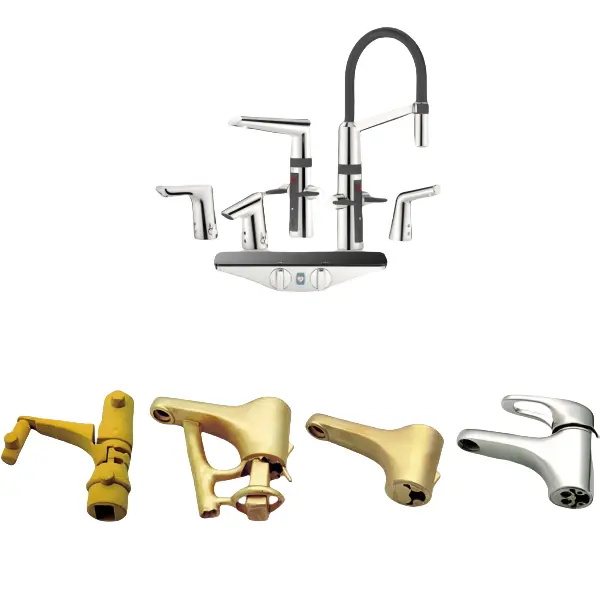
In the modern manufacturing landscape, visual appeal and tactile quality determine product success. From high-end brass plumbing fixtures and mirror-finished automotive wheels to precision sanitary ware, surface roughness (Ra) standards have become stricter. Historically, surface finishing relied heavily on manual laborers using high-speed buffing wheels. This practice is unsustainable due to three global factors:
- Occupational Health & Hazard Regulations: Metal dust exposure, repetitive strain injuries (RSI), and catastrophic dust explosions have forced international regulatory agencies (such as OSHA, CE, and ATEX) to enforce rigid manufacturing safety standards.
- Severe Labor Shortages: Finding skilled manual polishers capable of delivering consistent cosmetic finishes has become a bottleneck for B2B procurement managers worldwide.
- Zero-Defect Surface Tolerances: Industries such as automotive parts, sanitary fixtures, and precision electronics require sub-micron surface tolerances that human hands cannot replicate consistently.
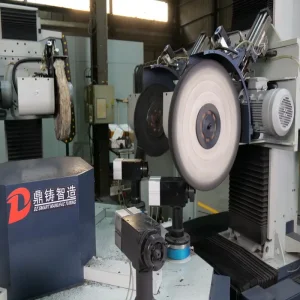
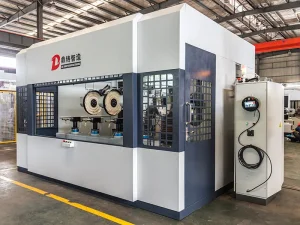
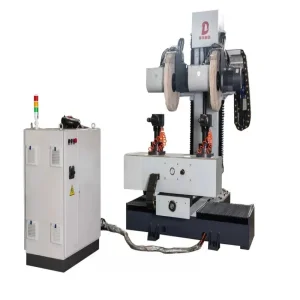
As a result, leading manufacturing enterprises are turning to multi-axis CNC polishing machines and robotic grinding cells. By standardizing the pressure, angle, wheel feed rate, and abrasive wear compensation, these machines ensure that every finished piece matches CAD-level specifications perfectly.
2. Macro Industry Solutions: Tailored Engineering Frameworks
Standard out-of-the-box machinery often fails because different materials exhibit unique thermal and mechanical properties during surface cutting and buffing. To provide maximum information gain, we outline the distinct macro-solutions required across high-demand industrial sectors:
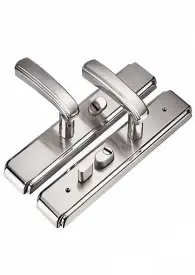
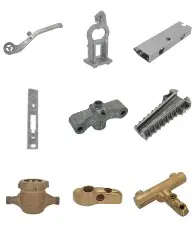
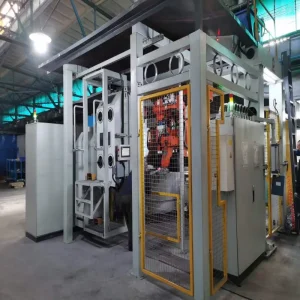
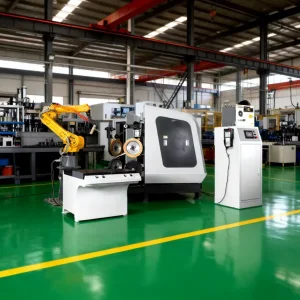
- Sanitary & Plumbing Hardware: Brass faucets, water meters, and valve manifolds undergo high-pressure die casting. This process leaves parting lines and surface flash. Our Low Pressure Die Casting Machine (LPDC) paired with robotic cell grinding systems removes casting gates and polishes compound curves to mirror levels (Ra < 0.1 μm) before electroplating.
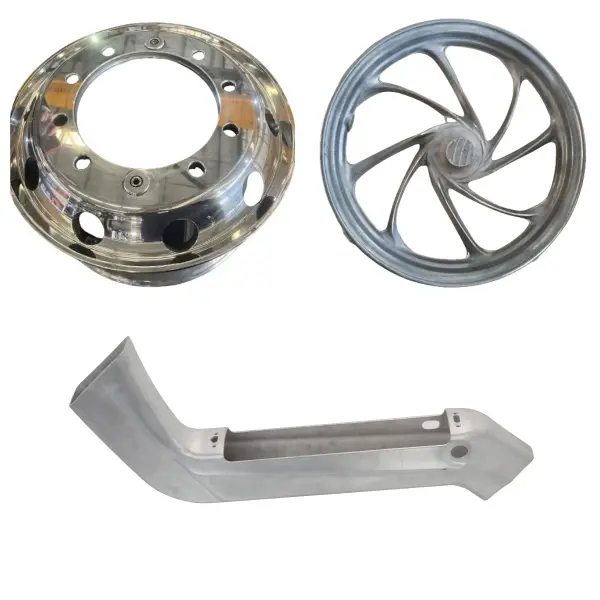
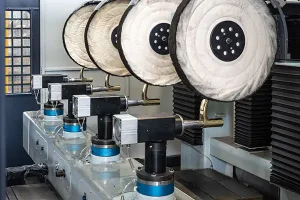
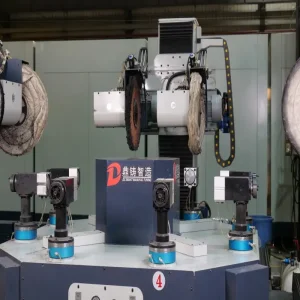
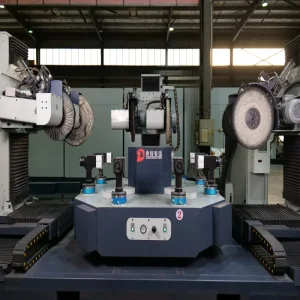
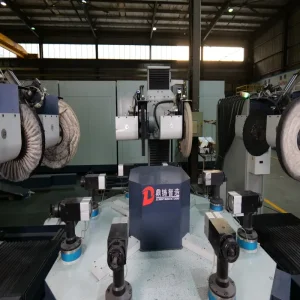
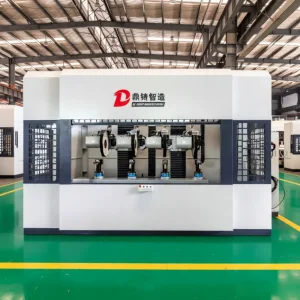
- Automotive Spare Parts: Components like alloy wheels and core motor assemblies require both structural strength and aesthetic refinement. Multi-manipulator polishing systems with 4 dynamic robot units finish wheels of different specifications simultaneously, drastically reducing cycle times.
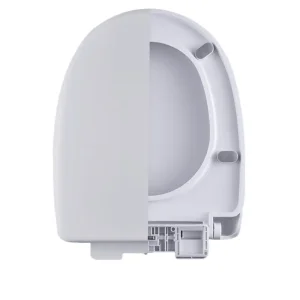
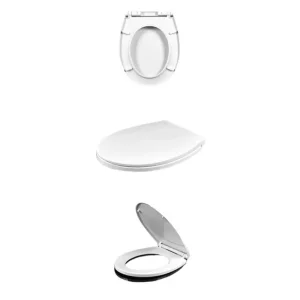
- Ceramic & Sanitary Ware: The automated grinding of toilet lids and sanitary ceramics presents major dust challenges. High-efficiency robotic systems with specialized vacuum seals protect guides and sensors from abrasive ceramic dust, ensuring continuous, stable operational runtimes.
- Stainless Steel Tubes & Bent Pipes: Achieving a continuous, seamless mirror finish on bent architectural tubes or automotive exhausts requires specialized rotational axes. Our CNC programmable bent pipe polishing systems rotate the material through multiple abrasive belt grades dynamically without manual re-clamping.
3. Technical Deep Dive: Passive vs. Active Force Control
The core differentiator between basic grinders and high-end robotic metal finishing machines lies in force compliance. When a robot maneuvers a rigid metal part against a fast-spinning abrasive wheel, variations in casting dimensions can lead to under-grinding or gouging.
Active Force Control (AFC): By utilizing high-speed load cells and real-time feedback loops, the robot dynamically adjusts its toolpath coordinates at millisecond intervals to maintain a constant pressure (e.g., 15N ± 1N) against the workpiece. This prevents heat buildup, preserves the micro-structures of structural parts, and extends abrasive belt lifetimes by up to 40%.
Abrasive Belt Wear Compensation: As the grinding medium wears down, its cutting efficiency drops. Advanced CNC software tracks total contact time and power draws to adjust wheel rotation speeds and approach offsets automatically, guaranteeing consistent surface qualities from the first part to the ten-thousandth.