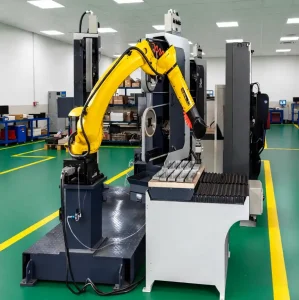
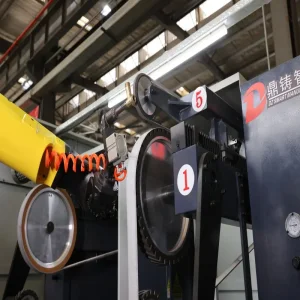
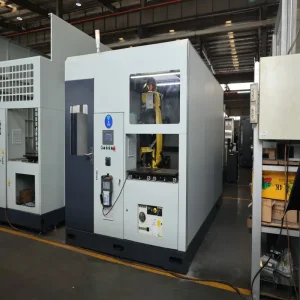
Advanced Robotic Cells Tailored for New England's Aerospace and Medical Device Manufacturing.
Boston, and the broader Massachusetts area, has long been a global hub for innovation, particularly in the Life Sciences, Aerospace, and Advanced Manufacturing sectors. As labor costs rise and the demand for micron-level precision increases, the integration of Robot Grinding & Polishing Solutions is no longer an option—it is a strategic necessity for local factories to remain globally competitive.
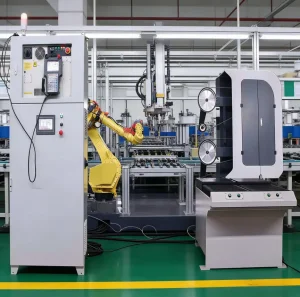
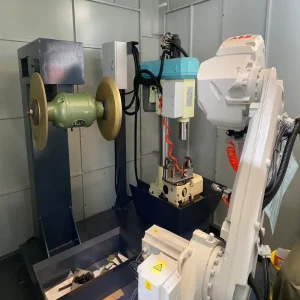
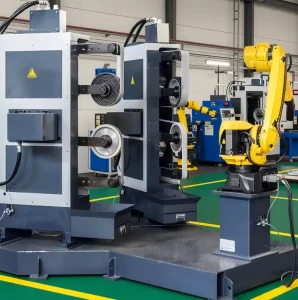
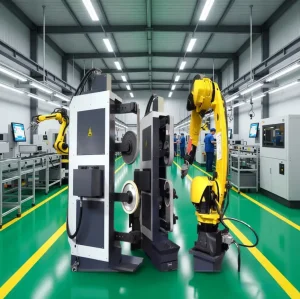
From the medical device clusters in Waltham to the aerospace defense contractors in North Reading, the need for repeatable, high-quality surface finishing (Ra values) is critical. Conventional manual grinding often leads to inconsistent results, high rejection rates, and significant health risks for workers. Our robotic cells solve these challenges by providing 24/7 autonomous operation with sub-millimeter accuracy.


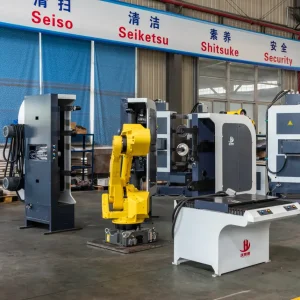
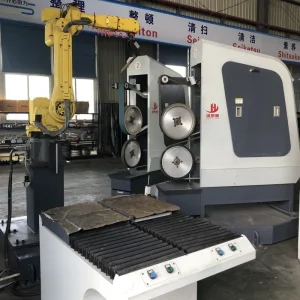
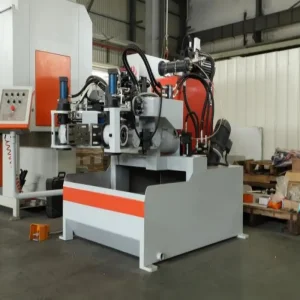
Founded in 2016, Xiamen DingZhu (DZ) Intelligent Equipment Co., Ltd has emerged as a powerhouse in the research, development, and manufacture of automated equipment for the foundry and finishing industries. We specialize in serving high-stakes markets like Boston, where quality is the primary differentiator. Our portfolio includes automatic core shooting machines, gravity die casting machines, Low Pressure Die Casting (LPDC) machines, and our flagship robotic cell grinding and polishing machines.
The global market for robotic polishing is projected to grow at a CAGR of 12.5% through 2030. Key drivers include:
Choosing a Chinese factory partner in 2024 is about more than just cost—it's about Speed to Market and Supply Chain Resilience. Xiamen DingZhu leverages the world-class manufacturing ecosystem of Fujian to provide components and finished cells at a pace Western manufacturers often cannot match.
Our "Factory 4.0" approach includes standardized parts warehouses in overseas outlets, covering more than 80% of wearing parts. For our Boston clients, this means "zero waiting" replacement in emergencies, improving maintenance efficiency by up to 60%. We offer 20 years of technology precipitation, ensuring failure rates are significantly lower than the industry average.
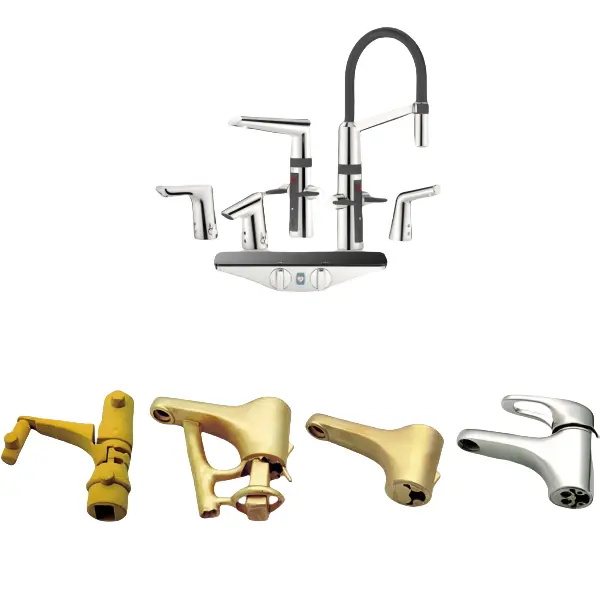
Polishing high-end brass faucets for Boston's luxury real estate development projects.
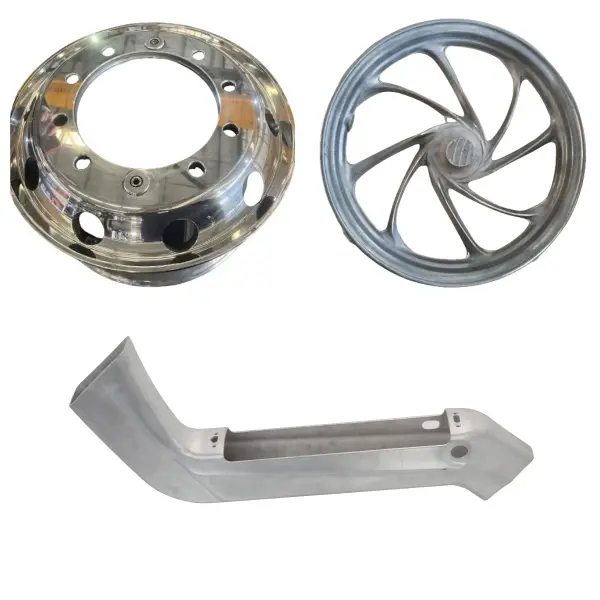
Precision deburring of engine components and chassis parts for New England's defense supply chain.
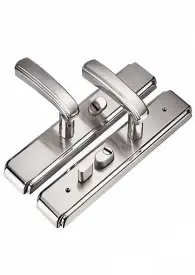
Finishing titanium orthopedic implants to surgical grade standards with zero human error.
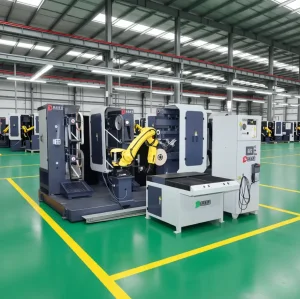
Engineered for Durability, Optimized for the Modern Smart Factory.
Let us optimize your production efficiency with exclusive equipment solutions to help you seize the dual high ground of quality and efficiency in the competition.
Send Inquiry Now & Get Free Proposal Dingzhu auto