 Dingzhu auto


Strategic Whitepaper: Robotic Surface Finishing Evolution
An in-depth analysis of high-yield CNC robotic cells, global casting automation trends, compliance standards, and localized technical solutions.
1. The Paradigm Shift: Why Automated Robotic Finishing Cells Are Mandatory
In modern industrial manufacturing, the surface finishing stage (grinding, deburring, polishing, and buffing) remains one of the most labor-intensive, hazardous, and quality-critical phases of the production cycle. Historically, operations relied heavily on skilled manual operators holding heavy, vibrating metal castings against high-speed grinding belts or wheels. This traditional paradigm is no longer sustainable due to compounding macroeconomic pressures, strict regulatory scrutiny, and high workforce attrition rates.
According to safety regulators worldwide, long-term exposure to manual casting deburring exposes workers to severe health risks, including Silicosis, Hand-Arm Vibration Syndrome (HAVS), and extreme physical fatigue. As a consequence, factories struggle to recruit and retain technicians, leading to high labor costs and unpredictable throughput. Beyond human factors, manual finishing lacks consistency. A finish polished by a human operator in the first hour of a shift differs significantly from one processed at the end of a ten-hour shift. This variation triggers high reject rates, compromising supply-chain trust with downstream OEMs in demanding fields like automotive assemblies and aerospace parts.
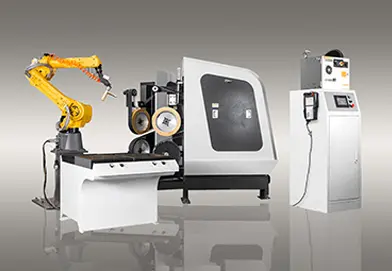
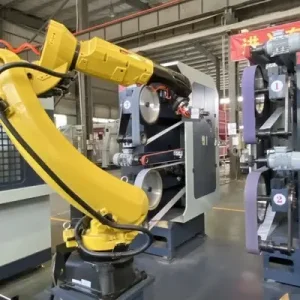
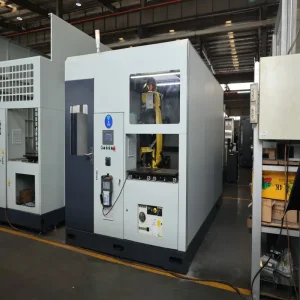
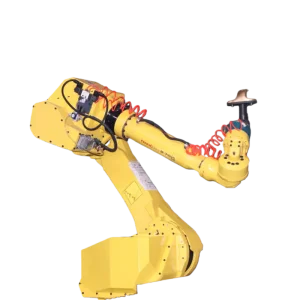
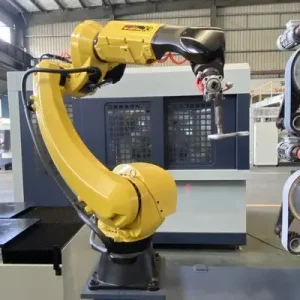
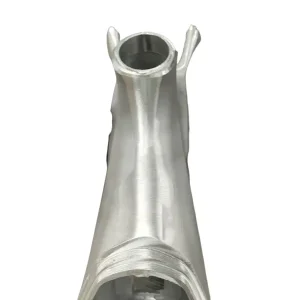
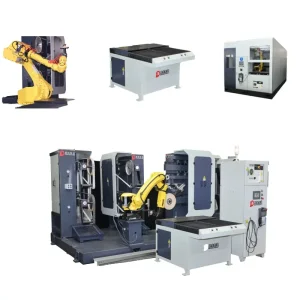
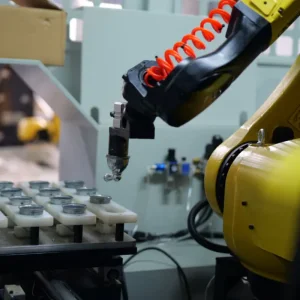
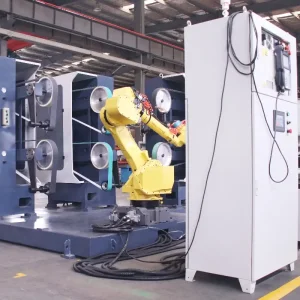
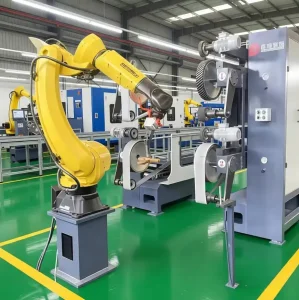
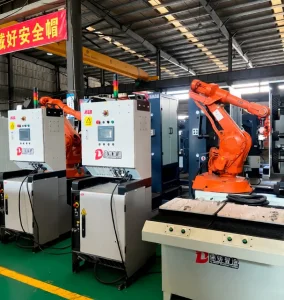
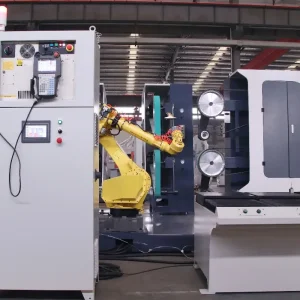
Enter the Robotic Finishing Cell. These integrated engineering ecosystems automate the physical removal of gates, risers, flashings, parting lines, and surface imperfections. By pairing rugged multi-joint robotic arms with intelligent sensor suites, compliance tools, and automated media wear-compensation, these systems achieve micron-level repeatability 24/7. Wholesale deployment of these cells provides factories with a predictable production clock, scalable capacity, and a clear path toward industry-standard smart manufacturing.
Active Force Compliance
Monitors grinding force in real-time (up to 1,000 times per second) adjusting robot posture to guarantee uniform contact force across complex contours, preventing over-grinding.
Dual-Station Efficiency
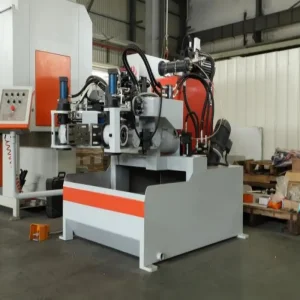
Includes high-speed rotating indexing rotary tables allowing the operator or feeder robot to load a raw casting while the robot finishes another inside the sealed acoustic enclosure.
Smart Tooling Integration
Equipped with multi-spindle assemblies or automatic tool changers, allowing the cell to switch between coarse grinding wheels, belt sanders, and fine polishing buffs within seconds.
2. Macro Industry Solutions: Optimizing the Entire Casting Lifecycle
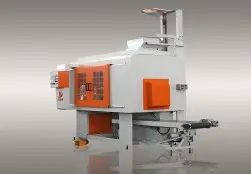
True operational efficiency is achieved by integrating automated grinding and polishing into the overall factory workflow, rather than treating them as isolated processes. Xiamen DingZhu (DZ) Intelligent Equipment Co., Ltd is uniquely structured to deliver complete turnkey foundry setups. As developers of gravity die casting systems, low-pressure casting machines, and automated core-shooting cells, we possess deep technical insight into how the upstream casting process directly affects downstream finishing requirements.
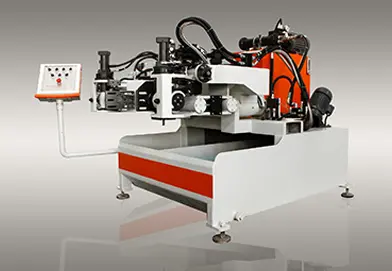
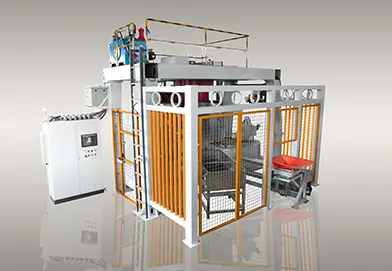
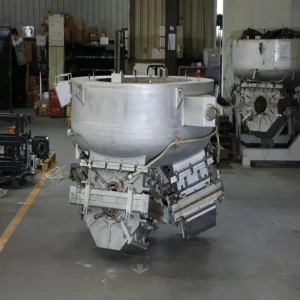
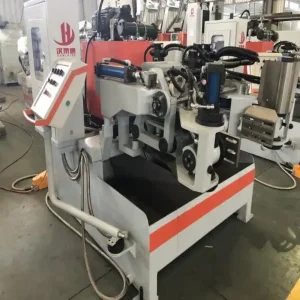
For instance, an unstable casting process with inconsistent sand core density or variable cooling times creates irregular flashing and parting line geometries. When these variations arrive at a rigid, non-compliant robotic grinding station, they cause tool breakage, high abrasive wear, or incomplete deburring. Our holistic engineering philosophy addresses this challenge by designing a synchronized workflow. Upstream, our **Gravity Die Casting Machines** and **LPDC Systems** produce highly precise, dimensionally stable castings. Downstream, our **Robotic Finishing Cells** utilize active force-torque sensor technologies to adapt dynamically to the minor dimensional deviations that inevitably occur during casting cooling.
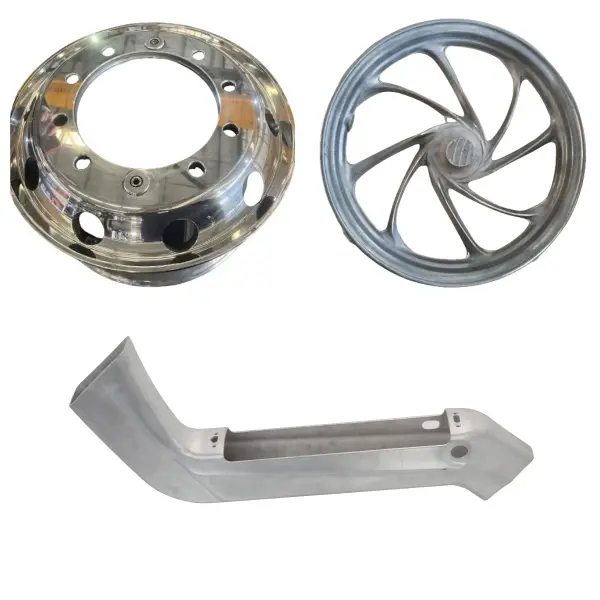
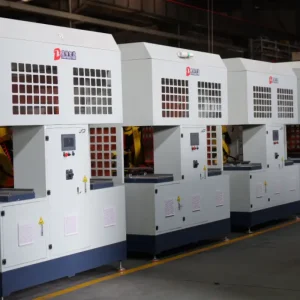
Furthermore, our integrated automation cells incorporate advanced dust collection, waste reclamation, and acoustic isolation systems. Aluminum and brass grinding processes produce highly combustible dust, posing a severe risk of dust explosions. Our cells feature integrated wet-scrubber extraction units and explosion-proof containment options, meeting strict environmental and occupational health mandates while keeping the production floor clean and safe.
3. Global Commercial & Industrial Landscape: Wholesale Economics & ROI
The global demand for robotic finishing solutions is experiencing unprecedented growth, driven by manufacturing upgrades in rapidly industrializing regions and labor-scarcity in mature economies. Major markets across North America, Western Europe, and high-volume hubs such as India, Egypt, Turkey, and Iran are increasingly adopting fully automated finishing workflows.
From an investment perspective, acquiring robotic finishing systems through wholesale partnerships represents a highly cost-effective strategy for system integrators, large foundries, and industrial distributors. A single, well-configured robotic finishing cell can match the output of three to five manual operators. This operational efficiency drastically reduces direct labor costs, while yielding significant indirect savings on overheads, including ventilation energy, worker compensation insurance, PPE, and abrasive media consumption.
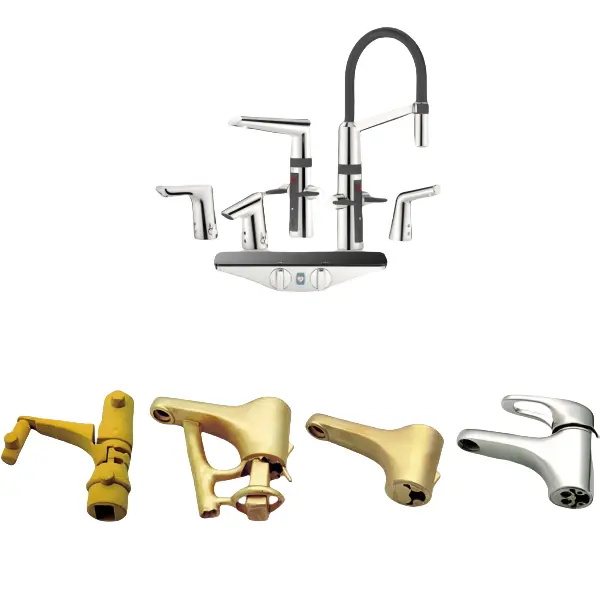
For a high-volume brass foundry manufacturing sanitary fixtures, a typical ROI calculation demonstrates that a robotic cell pays for itself within 12 to 18 months of installation. By running multi-shift operations without stopping for breaks or shift changeovers, production capacity becomes predictable and scalable. This rapid amortization of capital expenditure is why modern factories are migrating away from legacy tools to deploy fully automated finishing cells across their production facilities.
4. Localization Support, Compliance, & Global Standards
Deploying advanced industrial automation systems on a global scale requires strict adherence to international safety standards, robust technical support, and accessible regional spare parts inventories. Xiamen DingZhu maintains a reliable international network designed to ensure high system uptime and regulatory compliance, regardless of where your factory is located.
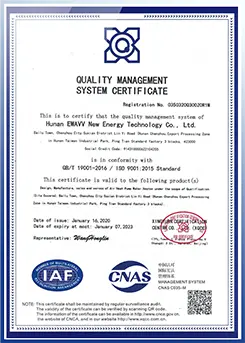
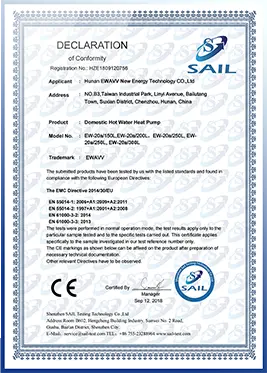
Our robotic systems and casting hardware are designed and manufactured in compliance with international regulatory frameworks, including:
- CE Mark (Europe): Meeting all applicable European Union directives for machinery safety, low voltage, electromagnetic compatibility, and pressurized vessels.
- ANSI/RIA R15.06 (North America): Complying with industrial robot safety standards, featuring safety light curtains, interlocked safety gates, and dual-channel safety circuits.
- ISO 10218-1/2: Adhering to the global standard for industrial robots and robot systems integration.
To support our global customers, we have established localized service hubs in highly active manufacturing regions, including **India, Egypt, Turkey, and Iran**. We commit to an on-site engineering response within 24 hours of system alerts. Additionally, our localized spare parts warehouses maintain inventories containing over 80% of common wear parts, such as spindle bearings, contact wheels, sensors, and pneumatic cylinders. This localized supply chain reduces lead times and improves field maintenance efficiency by up to 60%, protecting your operations against costly downtime.
5. Future Outlook and Technology Roadmap (2025–2030)
As industrial automation enters the era of Industry 4.0 and advanced artificial intelligence, the design of robotic finishing cells is evolving from pre-programmed automation toward intelligent, adaptive execution. Our engineering teams are actively developing the next generation of finishing solutions, including:
- AI-Driven Vision Systems: Incorporating high-resolution 3D structured light cameras at the cell input. These cameras scan incoming castings in real-time, generate a dynamic 3D variance map, and automatically adjust the robot's toolpath to target variations without requiring manual offline programming.
- Digital Twin & Cloud Diagnostics: Enabling factory managers to simulate production runs in a virtual environment before cutting metal. Real-time machine diagnostics are transmitted securely to the cloud, allowing our engineers to provide remote troubleshooting and predictive maintenance services.
- Adaptive Abrasive Management: Implementing torque and current feedback loop monitoring on grinding spindles. The system automatically detects tool wear and adjusts feed speeds or pressures to maintain a consistent surface finish throughout the abrasive media's lifecycle.