High-performance solutions for modern casting and surface finishing.
The global foundry industry is currently undergoing a seismic shift toward lightweighting and high-performance alloy integration. As the automotive and aerospace sectors demand components with superior mechanical properties and thinner walls, Low Pressure Die Casting (LPDC) has emerged as the definitive solution. Unlike traditional gravity casting, LPDC utilizes controlled pressure to fill the mold from bottom to top, virtually eliminating turbulence and gas entrapment.
Today, China stands at the forefront of this technological evolution. As leading Low Pressure Foundry Machine exporters, Chinese manufacturers have transitioned from low-cost providers to innovation leaders. The integration of Industry 4.0 principles, including real-time pressure monitoring and AI-based thermal imaging, has allowed Chinese factories to supply Tier-1 automotive manufacturers globally with machinery that rivals European standards at a competitive TCO (Total Cost of Ownership).
The shift from internal combustion engines (ICE) to Electric Vehicles (EV) has increased the demand for LPDC-produced aluminum battery trays and motor housings by 40% annually.
Modern LPDC machines now feature regenerative heating systems, reducing energy consumption by up to 25% compared to older pneumatic models.
LPDC remains the gold standard for safety-critical parts like alloy wheels, ensuring zero-porosity and high metallurgical integrity.

Xiamen DingZhu(DZ) Intelligent Equipment Co.,Ltd was founded in 2016, principally engaged in the research, development, and manufacture of automatic equipment for the foundry industry used in plumbing hardware, sanitary fittings, car spares, valves, etc.
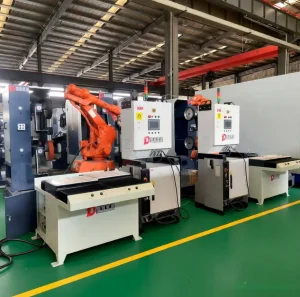
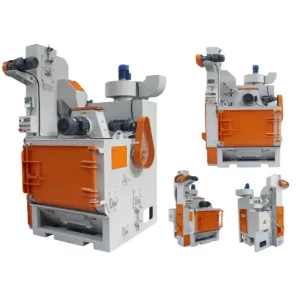
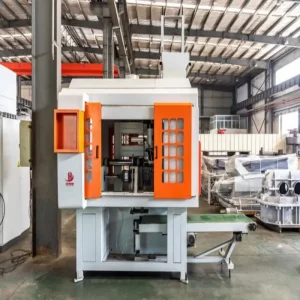
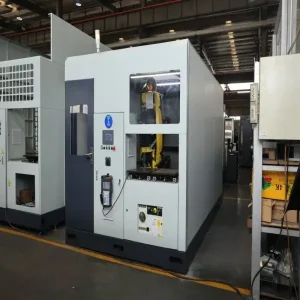
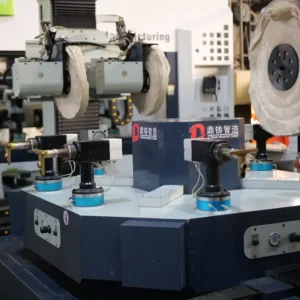
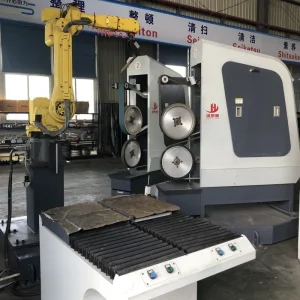
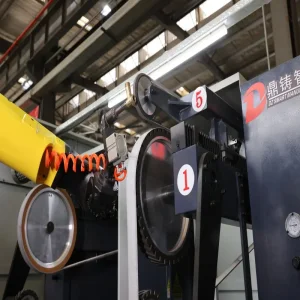
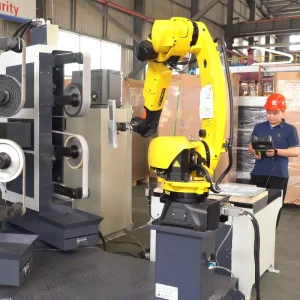
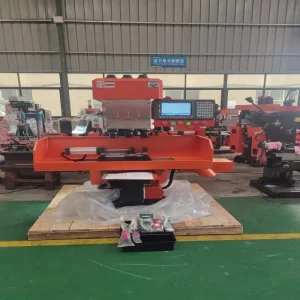
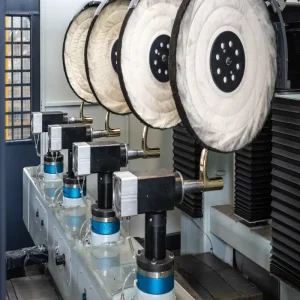
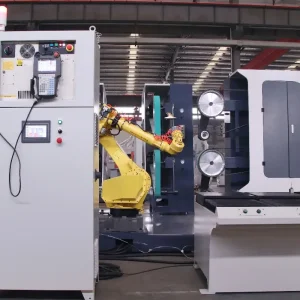
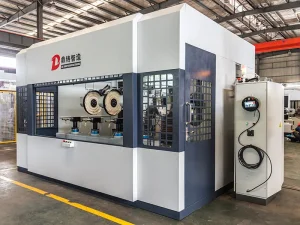
We provide a comprehensive suite of solutions including automatic core shooting machines, gravity die casting machines, automatic Low Pressure Die Casting machines (LPDC), and robotic cell grinding and polishing machines. Our mission is to bridge the gap between traditional craftsmanship and robotic precision.
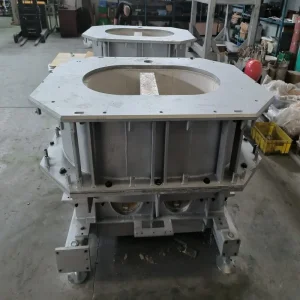
The industry is moving toward integrated casting where multiple parts are cast as a single LPDC component. Our current R&D focuses on ultra-large LPDC machines that can handle mold sizes exceeding 2500mm, specifically for EV structural chassis components.
Future LPDC systems from China will utilize neural networks to predict casting defects before they happen. By analyzing thousands of data points—from molten metal temperature to ambient humidity—the machine automatically adjusts holding pressure in micro-seconds.
Low pressure foundry machine factories are now prioritizing "Zero Waste" workflows. This includes slag-free furnace designs and 100% recycling of sand cores via integrated thermal recovery systems, meeting strict EU and US environmental regulations.
Combining LPDC with centrifugal forces or vacuum assistance is the next frontier. This "Hybrid Approach" allows for the production of composite materials, where different alloys are cast together to provide varying strength-to-weight ratios in a single part.
From industrial hubs in India to automotive clusters in Germany.
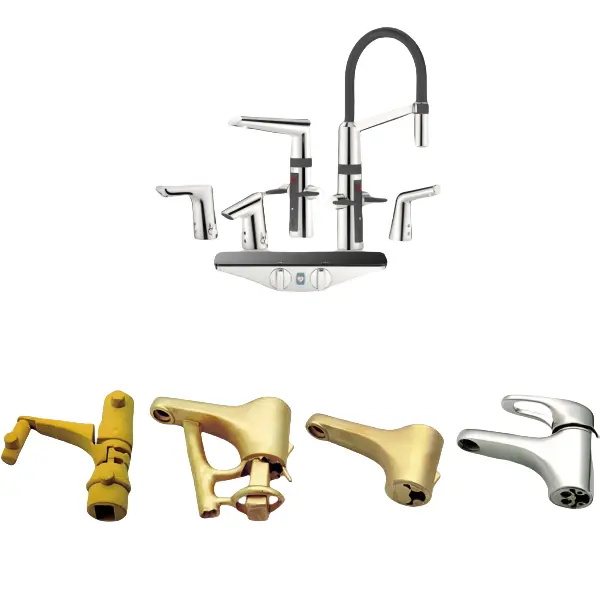
High-precision casting for faucets and valves with complex internal water channels.
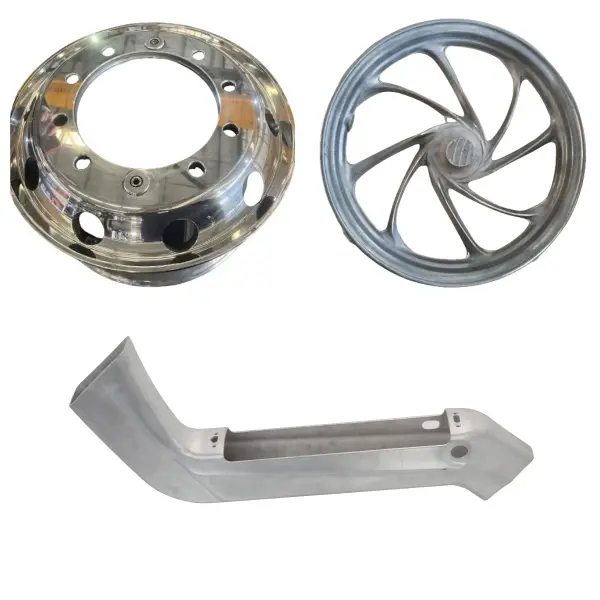
Engine blocks, cylinder heads, and alloy wheels requiring maximum structural integrity.
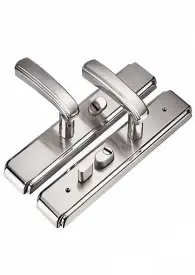
Door handle panels and architectural hardware with superior surface finish requirements.
For factories in emerging markets such as India, Egypt, and Turkey, the primary challenge is maintaining high quality while dealing with fluctuating power grids and varying raw material grades. DingZhu’s Low Pressure Foundry Machines are engineered with robust electrical stabilizers and multi-stage filtration systems that ensure consistent output even in challenging industrial environments. This localized adaptability is why China has become the top exporter to these regions.

20 years of technology precipitation, equipment failure rates are lower than the industry average.

Core engineers focusing on casting, grinding, and polishing for over two decades.

Localized outlets in India, Egypt, Turkey, and Iran. 24-hour on-site response promise.
From molten metal to mirror-finish products.
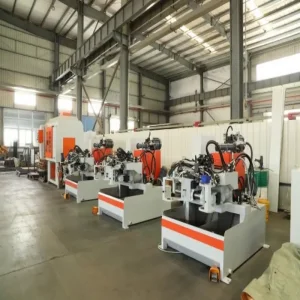
We don't just sell machines; we provide macro industry solutions. A typical DingZhu automated line consists of:
Chinese LPDC machines offer a unique blend of high-tier components (often using Siemens or Mitsubishi control systems) with proprietary metallurgical software developed locally. This provides a performance-to-price ratio that allows factories to achieve ROI within 18-24 months, significantly faster than Western alternatives.
LPDC typically achieves a yield of 90-95% because the riser system is much smaller. In gravity casting, the weight of the gating system can often exceed the weight of the part itself. LPDC forces the metal upward, reducing waste and decreasing secondary machining time.
Yes. All our latest models come with IoT connectivity. They can output real-time data to ERP systems, allowing factory managers to track cycle times, scrap rates, and energy consumption from any mobile device, facilitating "Dark Factory" operations.
Absolutely. While optimized for Aluminum and Magnesium alloys, our holding furnaces and pressure controls are adjustable to handle brass and other non-ferrous metals by changing the refractory lining and pressure curves.
Let us optimize your production efficiency with exclusive equipment solutions to help you seize the dual high ground of quality and efficiency.
Query Project Quotation Now Dingzhu auto