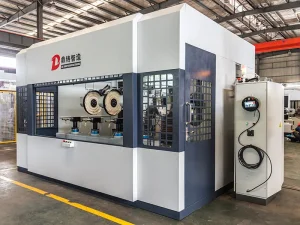
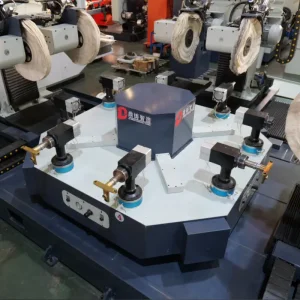
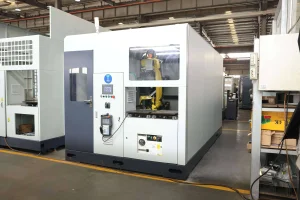
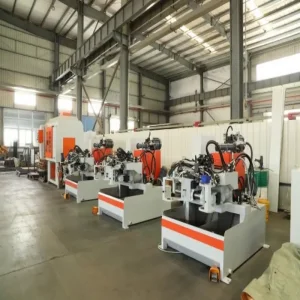
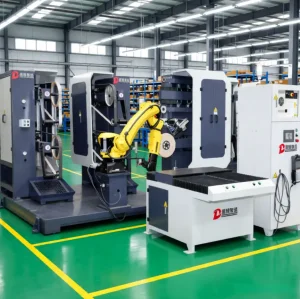
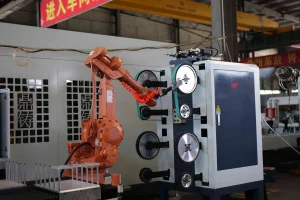
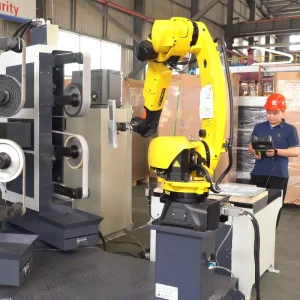
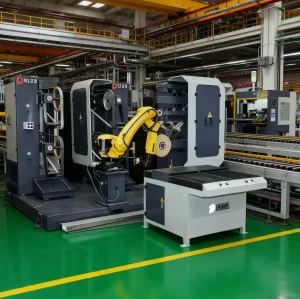
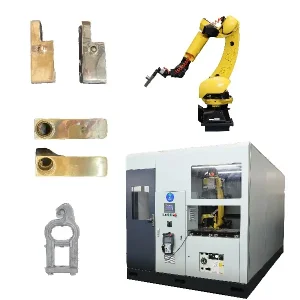
The global industrial landscape is undergoing a seismic shift. As labor costs rise and the demand for micron-level precision increases, the reliance on manual grinding and polishing has become a bottleneck for high-growth enterprises. China industrial grinding robot factories have transitioned from rapid followers to global leaders, offering integrated solutions that blend mechanical robustness with AI-driven intelligence.
Today's market demands more than just a machine; it requires a holistic production ecosystem. From initial gravity die casting to the final mirror finish, the synergy between hardware and software is what defines competitive advantage. We provide the technical backbone for industries spanning automotive aerospace, sanitary hardware, and medical devices.
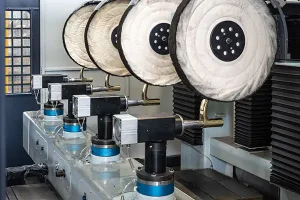
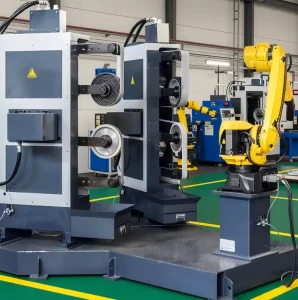
Our solutions bridge the gap between the foundry and the final product, ensuring that castings are deburred and polished without human intervention.
Utilizing 3D scanning and AI algorithms to calculate the optimal grinding path for complex geometries, reducing setup time by 70%.
Maintaining constant pressure on uneven surfaces to prevent over-grinding and ensure a perfectly uniform Ra (surface roughness) value.

Xiamen DingZhu(DZ) Intelligent Equipment Co.,Ltd was founded in 2016, principally engaged in research, development, and manufacture of automatic equipment for the foundry industry used in plumbing hardware, sanitary, car spares, valves, etc.
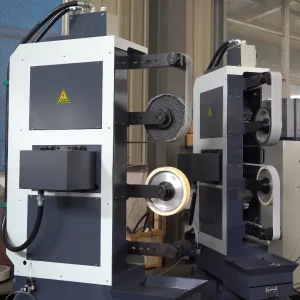
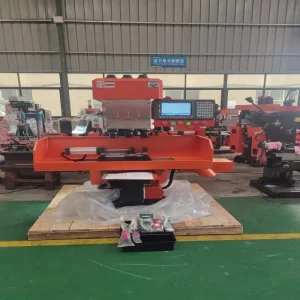
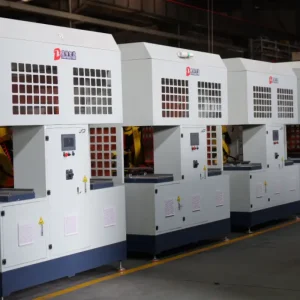
We provide automatic core shooting machines, gravity die casting machines, automatic Low Pressure Die Casting machines (LPDC), and specialized robotic cell grinding and polishing machines. Our mission is to optimize production efficiency with exclusive equipment solutions that help you seize the dual high ground of quality and efficiency.
Established
Countries Served
Service Centers
Integration of high-torque spindles and multi-axis degrees of freedom to handle heavy-duty metal removal with 0.05mm repeatability.
Virtual commissioning and real-time monitoring of machine health, allowing for predictive maintenance and zero-downtime manufacturing.
Applying deep learning to recognize surface defects in real-time and adjusting the grinding intensity dynamically based on material hardness.
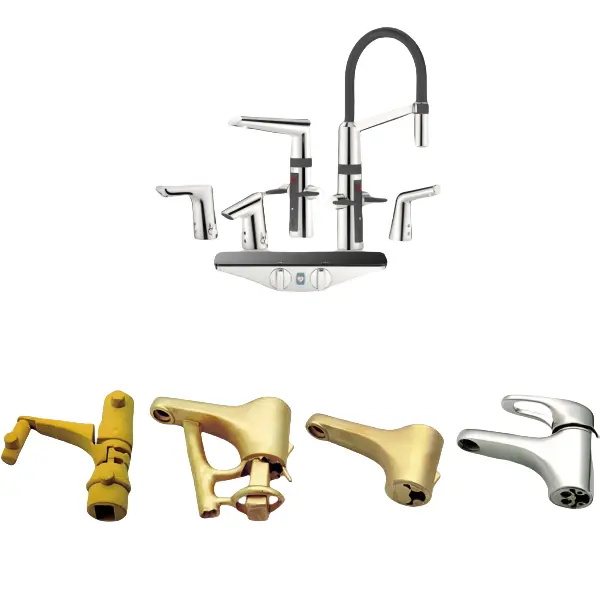
Automated grinding for brass faucets and showerheads, ensuring a flawless base for electroplating processes.
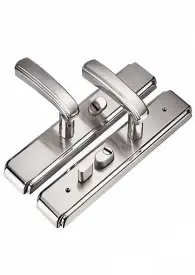
Mass production finishing for door handles and zinc alloy panels with high consistency across millions of units.
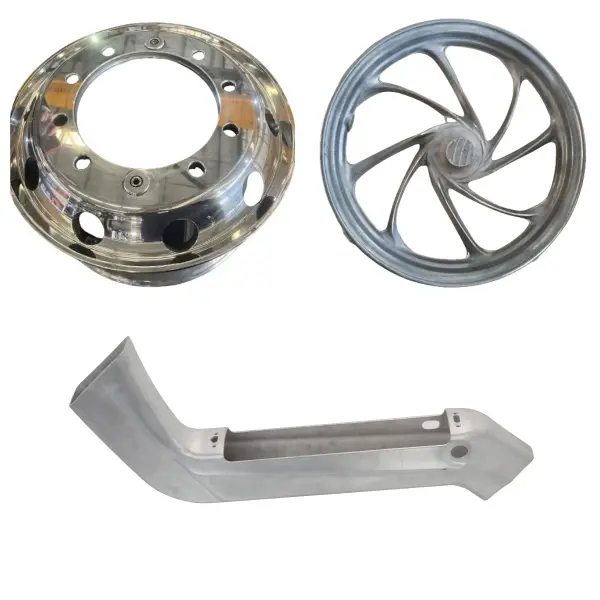
Precision deburring of engine blocks, aluminum wheel hubs, and structural car spares for global OEMs.
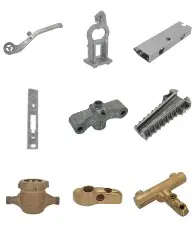
Heavy-duty grinding for industrial valves and stainless steel castings where surface integrity is critical for safety.
We understand that downtime is the enemy of production. Our global footprint includes localized service outlets in India, Egypt, Turkey, Iran, and more. We promise an on-site response within 24 hours to ensure your production line never stops.
A: Robotic cells offer 24/7 operation with 100% consistency. They typically reduce abrasive consumption by 30% and eliminate the high costs associated with manual occupational health hazards (dust/noise).
A: Yes. Our robots are programmed with specific parameters for brass, stainless steel, aluminum, and zinc alloys, adjusting spindle speeds and contact force accordingly.
A: Depending on the abrasive used, we can achieve anything from rough deburring to high-gloss mirror finishes (Ra < 0.1μm).
A: We provide a user-friendly HMI (Human Machine Interface) and offline programming software. Our localized service teams offer comprehensive training during installation.
Let our experts help you design a customized robotic cell that fits your specific industrial needs.
Query Project Quotation Dingzhu auto