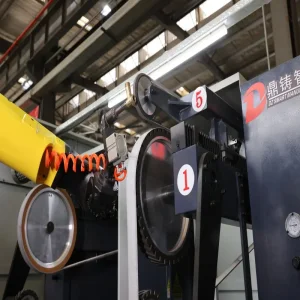
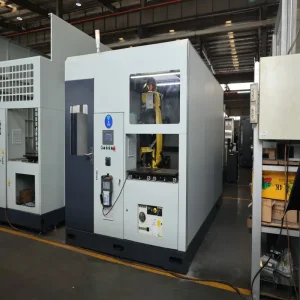
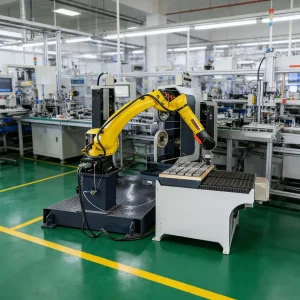
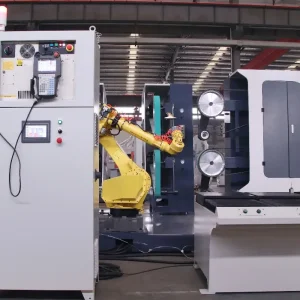
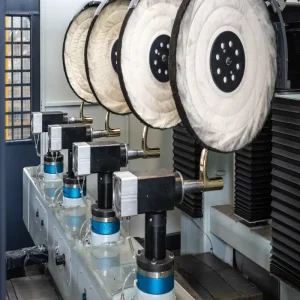
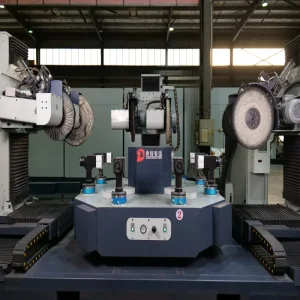
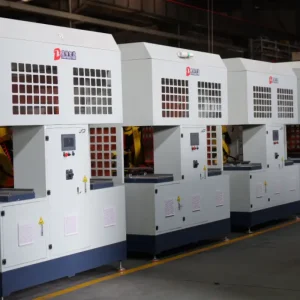
In the contemporary manufacturing sector, the demand for precision, consistency, and safety has driven a paradigm shift from manual labor to advanced robotics. Industrial deburring robots for metal grinding represent the pinnacle of this evolution. Traditionally, the foundry and metal finishing industries relied heavily on manual grinding—a process fraught with ergonomic hazards, respiratory risks from dust, and high variability in quality. As global labor costs rise and the "Industry 4.0" initiative gains momentum, manufacturers are increasingly turning to China’s robust engineering sector for cost-effective, high-performance robotic solutions.
The next generation of deburring robots is moving beyond pre-programmed paths. By integrating 3D structured light vision systems, robots can scan individual workpieces in real-time, identifying flash, gates, and risers to adjust their grinding path dynamically.
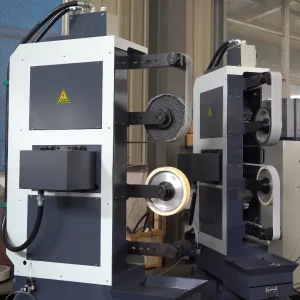
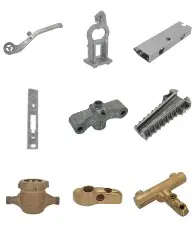
From zinc alloy and copper to high-grade stainless steel and aluminum castings, modern robotic cells are equipped with multi-tool changers that switch between abrasive belts, grinding wheels, and nylon brushes to handle diverse material properties.
Manufacturers are now demanding "Smart Factories." Robotic cells from leaders like DingZhu Intelligent Equipment now include cloud-based monitoring to track abrasive wear, energy consumption, and cycle times, allowing for predictive maintenance.
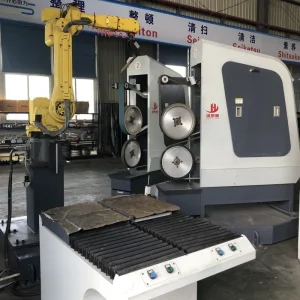
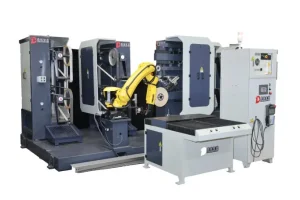
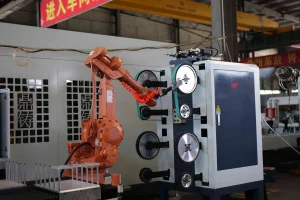
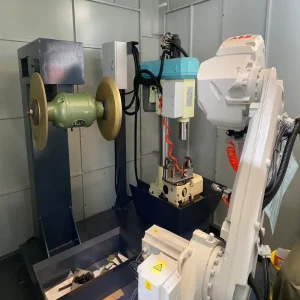
Focus on 6-axis robotic arms paired with 1-axis or 2-axis positioners. Use of compensation units to ensure constant grinding force regardless of the robot's posture.
Implementation of Edge Computing where the robot learns from the resistance met during the first pass of a casting to optimize the secondary finishing pass without human intervention.
Total synchronization between the casting machine, the core shooting unit, and the deburring robot. A singular "foundry brain" manages the entire lifecycle from liquid metal to a polished door handle.
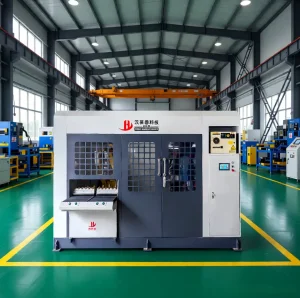
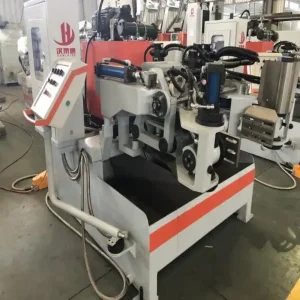
Xiamen DingZhu(DZ) Intelligent Equipment Co.,Ltd was founded in 2016, principally engaged in research, development, and manufacture of automatic equipment for the foundry industry. We provide specialized solutions for plumbing hardware, sanitary fittings, automotive spares, and valves. Our portfolio includes automatic core shooting machines, gravity die casting machines, LPDC units, and world-class robotic cell grinding systems.

In regions like India and Turkey, high-end faucet production requires mirror-finish polishing. Our robotic cells handle complex internal and external curves of brass faucets, reducing the scrap rate by 30% compared to manual polishing.
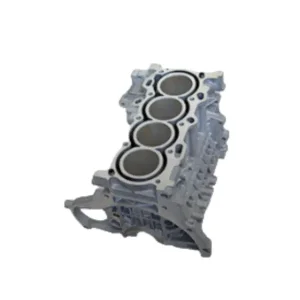
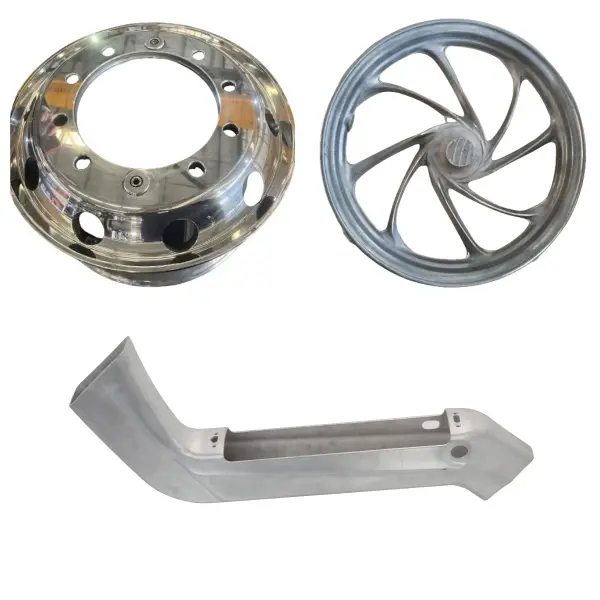
For aluminum engine blocks and motorcycle shells, precision is non-negotiable. Our robots remove parting lines and burrs with sub-millimeter accuracy, ensuring proper fitment and heat dissipation in final assemblies.
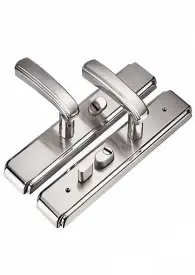
Mass-producing stainless steel door handles and heavy-duty valves requires consistent throughput. Our "Zero Waiting" spare parts supply chain ensures that large-scale factories in Southeast Asia and the Middle East maintain 24/7 operations.
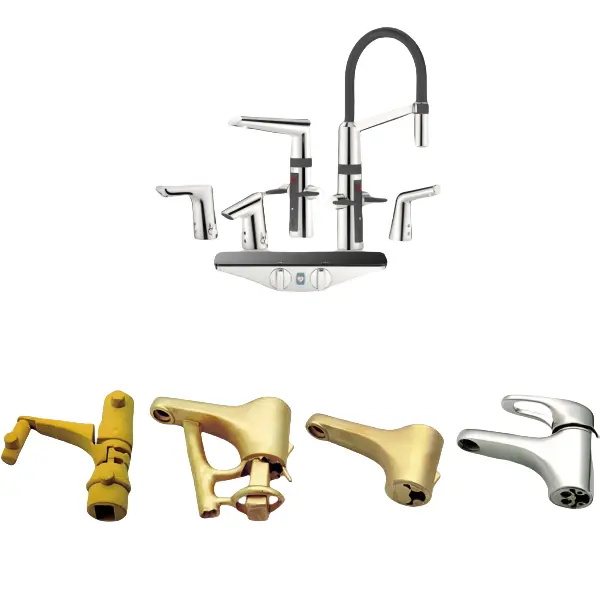
Let us optimize your production efficiency with exclusive equipment solutions to help you seize the dual high ground of quality and efficiency in the competition.
Query Project Quotation Dingzhu auto