Explore our industrial grade robotic grinding, deburring, and pressure casting equipment designed for high efficiency and volume output.
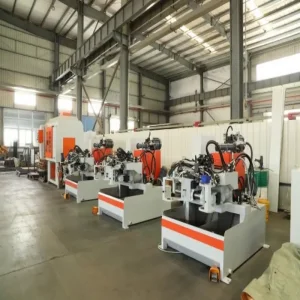
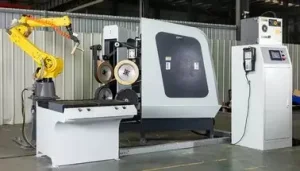
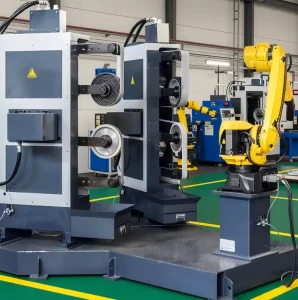
In the modern high-precision metal forming landscape, the demand for high-efficiency and high-reliability pressure die casting machines continues to accelerate. From heavy-duty automotive engine casings to precision electronic components, global manufacturers require robust systems capable of running high-cycle productions with minimum down-time. Today’s industrial ecosystem mandates a shift towards integrated automated cells where the casting machine operates in seamless synchronization with downstream robotics.
As smart manufacturing processes become the baseline, wholesale buyers and foundry owners look beyond simple raw power and tonnage. They prioritize systems with high structural integrity, adaptive real-time shot control, and thermal balancing configurations. By establishing comprehensive technical protocols, modern foundry enterprises can achieve low scrap rates, optimized cycle times, and flawless mechanical parts ready for precise assembly and robotic finishing.
Foundries globally face major macro-environmental and micro-economic challenges: rising labor costs, stricter environmental emissions standards, and the mandate for consistent structural part quality. To address this, current solution architectures demand a holistic integration of automated casting cells. This starts with automated sand core preparation using sand core shooting machines, followed by pressure die casting (including low pressure and gravity methods), and ending with automated robotic deburring, grinding, and polishing.
By shifting to an automated foundry cell, factory managers can eliminate human error from dangerous pouring zones, decrease thermal variations within die cavities, and ensure high-integrity internal crystalline structures in castings. Crucially, combining pressure die casting with robotic finishings ensures high throughput, delivering cast parts that require zero manual intervention from mold setup to high-gloss mirror polishing.
Xiamen DingZhu (DZ) Intelligent Equipment Co., Ltd. was founded in 2016. The company is principally engaged in research, development, and manufacture of automatic equipment for the foundry industry used in plumbing hardware, sanitary ware, automotive spare parts, valves, and more.
We provide comprehensive foundry and metal forming machinery solutions, including automatic core shooting machines, gravity die casting machines, automatic Low Pressure Die Casting machines (LPDC), and high-performance robotic cell grinding and polishing machines. Our goal is to transform modern foundries by reducing manual hazards and introducing high-precision digital control systems.

The roadmap for metal forming technologies points toward complete digital twins, AI-driven process optimization, and close-loop monitoring systems. Modern pressure die casting machines are shifting towards continuous data logging of casting variables—such as melt temperature, piston speed, and cavity air pressure. Incorporating IoT-enabled sensors directly into the die structure allows systems to adjust real-time injection parameters before porosity or shrinkage defects can occur.
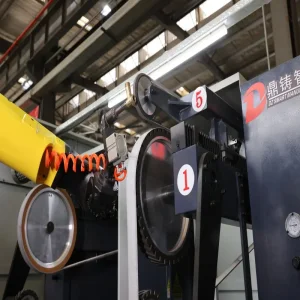
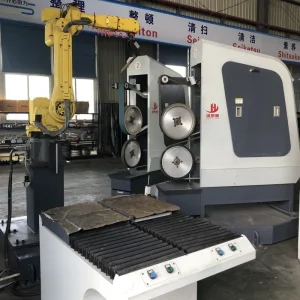
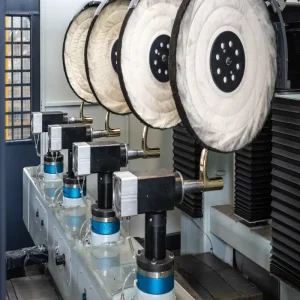
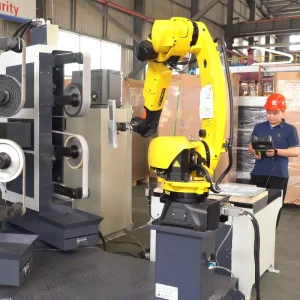
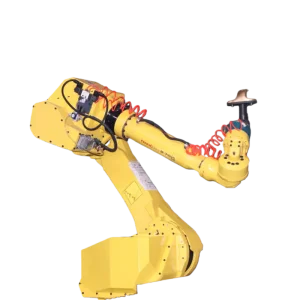
Downstream processing is experiencing a similar automation revolution. Rather than relying on manual grinders that present respiratory risks and inconsistent tolerances, manufacturers are implementing multi-axis robotic grinding cells. Utilizing dynamic force-feedback and vision systems, these robotic stations compensate for minor casting variances, executing exact edge profiles and surface finishes. Looking forward, the alignment of LPDC systems with flexible finishing arms will constitute the backbone of the next-generation autonomous foundry.
We supply and service specialized systems tailored to varied foundry configurations:
Leverage our technology and support to optimize efficiency, lower downtime, and gain a competitive edge.
Backed by 20 years of technology precipitation, our equipment adopts mature technical solutions verified by the market, keeping failure rates lower than the industry average.
Our core engineering team has focused on casting, grinding, and polishing for over 20 years, providing full-cycle support from machine selection to downstream process upgrades.
We operate localized service centers in key industrial hubs, including India, Egypt, Turkey, and Iran, and commit to on-site engineering responses within 24 hours.
Our standardized parts warehouses at overseas outlets cover more than 80% of wearing parts, enabling "zero waiting" replacement, improving maintenance efficiency by 60%.
From complex sanitary geometries to highly durable automotive components, see how our systems are utilized across various industries.

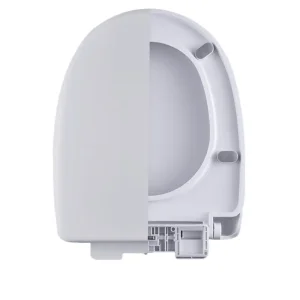
High quality zinc and brass castings for faucets, showerheads, and plumbing valves requiring strict internal tolerances.
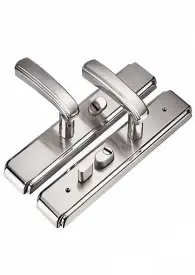
Door handle panels, locksets, and decorative fittings cast and finished to achieve high-luster mirror surface finishes.
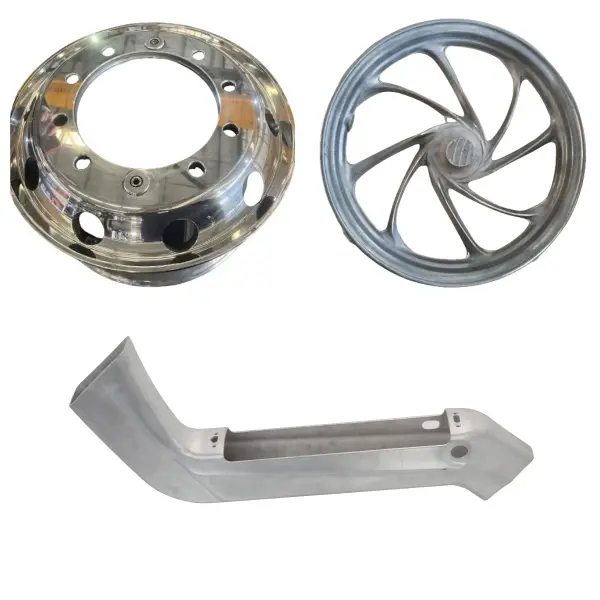
Engine cases, gearbox housings, brackets, and structural EV body castings that demand high tensile strength and zero internal porosity.
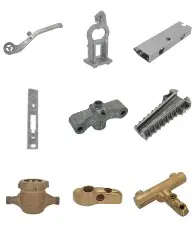
Custom-engineered automation lines designed to receive raw castings and deliver fully finished, clean, and polished products.
Our commitment to internationally recognized quality standards ensures consistency, safety, and reliability.
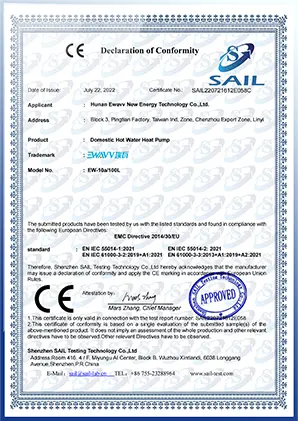
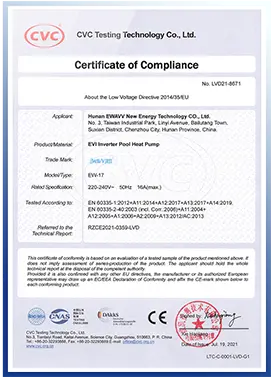
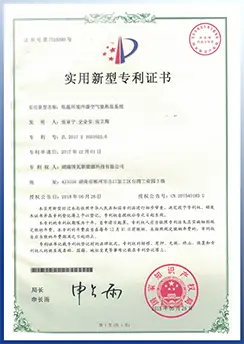
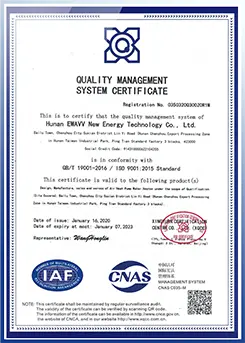
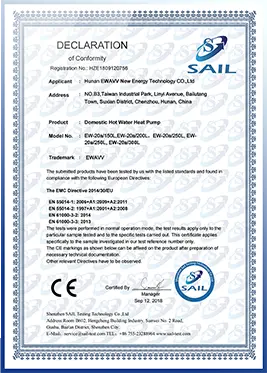
Deploying heavy machinery to international foundries requires rigorous compliance with safety and environmental protocols. Our machines conform to European CE directives, ISO 9001:2015 quality standards, and localized safety mandates for electrical grid configurations. This ensures streamlined customs clearance, easy regulatory inspections, and immediate integration into your production workflow.
Additionally, our local support networks in key areas—such as India, Egypt, Turkey, and Iran—protect operations from unexpected downtime. Local parts warehouses house vital replacement components like heating elements, hydraulic cylinders, pressure seals, and proximity switches. When an issue arises, certified technicians are dispatched to your facility, offering swift remediation and optimizing your total cost of ownership (TCO).
Answers to common questions regarding casting, grinding, and finishing automation.
A: Gravity die casting relies on gravity to fill the mold, ideal for simple profiles and low-cost tooling. Low Pressure Die Casting (LPDC) uses positive pressure to push molten metal upward into the mold, reducing turbulence and resulting in high-density components (ideal for structural and auto parts). High Pressure Die Casting (HPDC) utilizes high velocity and pressure to inject metal rapidly, making it suitable for high-volume, thin-walled parts.
A: Traditional hand-deburring yields variations in tolerances, high rework rates, and introduces workplace safety hazards. Robotic cells with force control monitor surface resistance, ensuring consistent edge profiles and mirror-finishes while maximizing factory safety.
A: We operate local service outlets and maintain warehouses with over 80% of critical wear parts in regions like India, Egypt, Turkey, and Iran. This allows quick parts delivery, reducing replacement delay and lifting maintenance efficiency by 60%.
A: Yes, our latest automatic systems and robotic finishing cells feature standard communication interfaces. This allows seamless connection to factory SCADA and ERP databases for real-time monitoring of output metrics, tool wear, and diagnostic logs.
A: Our gravity and low-pressure die casting machines are optimized for non-ferrous metals, particularly aluminum, brass, bronze, zinc, and magnesium alloys. We provide custom configurations depending on the thermal properties and fluidity of your selected alloy.
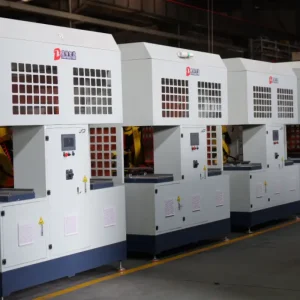
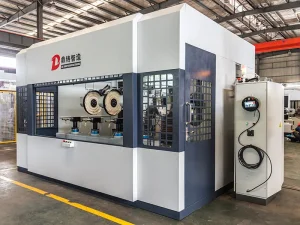
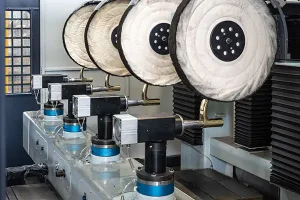
Browse our catalog of advanced industrial surface finishing systems, engineered for high consistency and mirror-finish results.
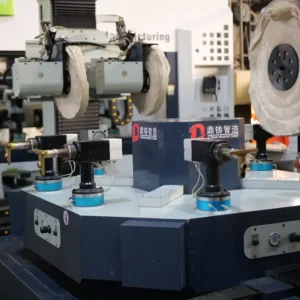
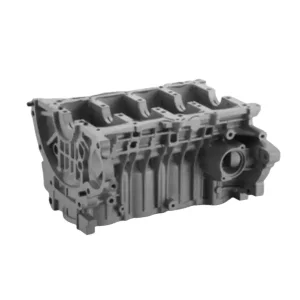
Optimize your production flow with engineered casting and finishing solutions. Let our expert technicians guide you from custom setups to production deployment. Select the configuration that fits your operational needs.
Query Project Quotation Dingzhu auto