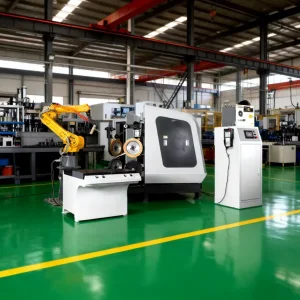
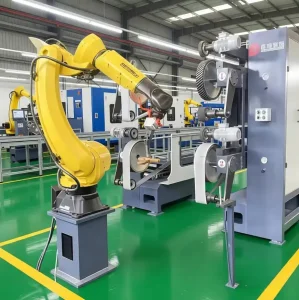
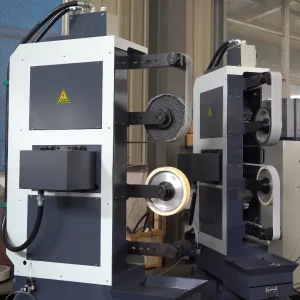
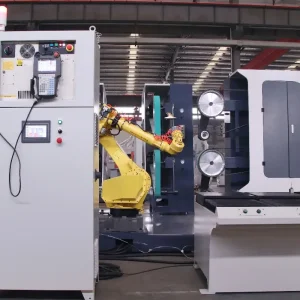
In the contemporary landscape of global manufacturing, the "Adaptive Metal Finishing" sector has transitioned from a niche luxury to a core strategic necessity. As industrial requirements for precision increase and the availability of skilled manual labor decreases, the integration of AI-driven adaptive robotics has become the definitive benchmark for competitive advantage.
The global market for robotic surface finishing is projected to grow at a CAGR of 12.4% over the next decade. Regions like Southeast Asia, India, and Eastern Europe are witnessing a massive surge in demand for wholesale adaptive finishing solutions as they become the new hubs for automotive and sanitary hardware manufacturing. Xiamen DingZhu (DZ) Intelligent Equipment has been at the forefront of this revolution since 2016, bridging the gap between high-end R&D and cost-effective industrial application.
Major drivers include the "Zero-Defect" mandate in the aerospace and medical implant sectors, where surface roughness (Ra) must be controlled to sub-micron levels. Furthermore, the sustainability movement is pushing factories to adopt adaptive systems that reduce abrasive waste by up to 30% compared to traditional manual grinding.
With 20 years of technology precipitation, our equipment adopts mature technical solutions verified by the market. Our failure rate remains significantly lower than the industry average, ensuring maximum uptime for wholesale production lines.
We maintain localized service centers in India, Egypt, Turkey, and Iran. We promise a 24-hour on-site response, supported by a supply chain that covers 80% of wearing parts for immediate replacement.
The transition to full automation involves several critical technical milestones that DingZhu has successfully commercialized:
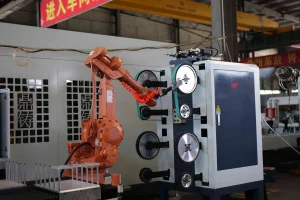
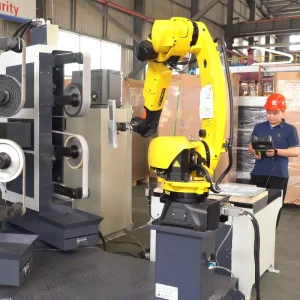
Utilizing 6-axis force/torque sensors, the robot maintains constant contact force against complex geometries, essential for sanitary ware and automotive castings.
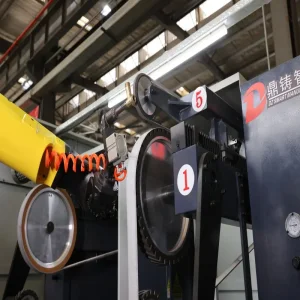
Our systems utilize 3D adaptive path planning. By scanning each individual part, the AI generates a unique polishing path that compensates for casting deformations.
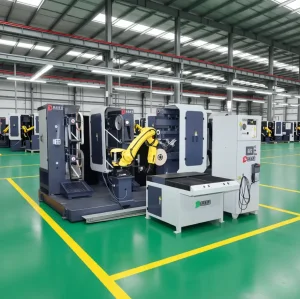
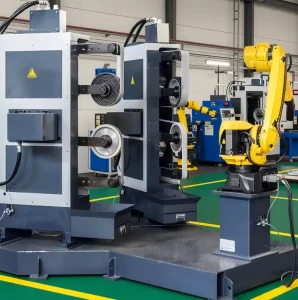
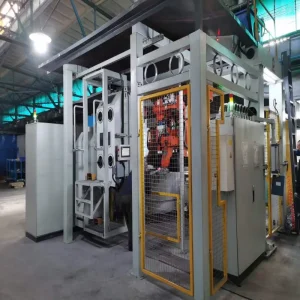
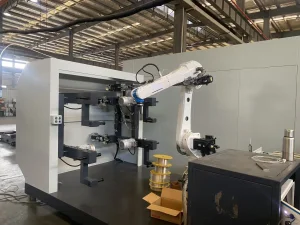
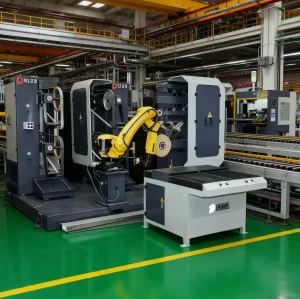
Integration of rotary feeding tables with robotic cells allows for "zero-wait" cycles, where loading and processing happen simultaneously.
Looking toward 2030, the integration of Machine Learning (ML) will allow adaptive finishing machines to "learn" from abrasive wear patterns. The system will automatically adjust its parameters based on the feedback from the previous 1,000 parts, moving from "Automation" to "Autonomous Intelligence."
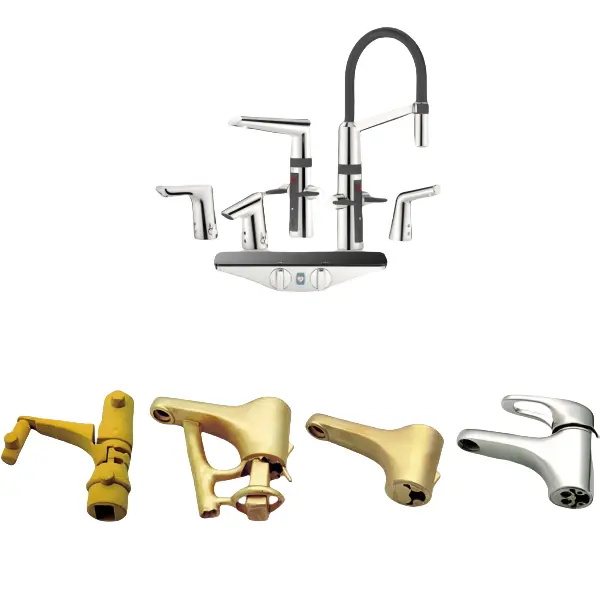
High-efficiency polishing for faucets and showerheads, ensuring a mirror-finish for subsequent chrome plating.
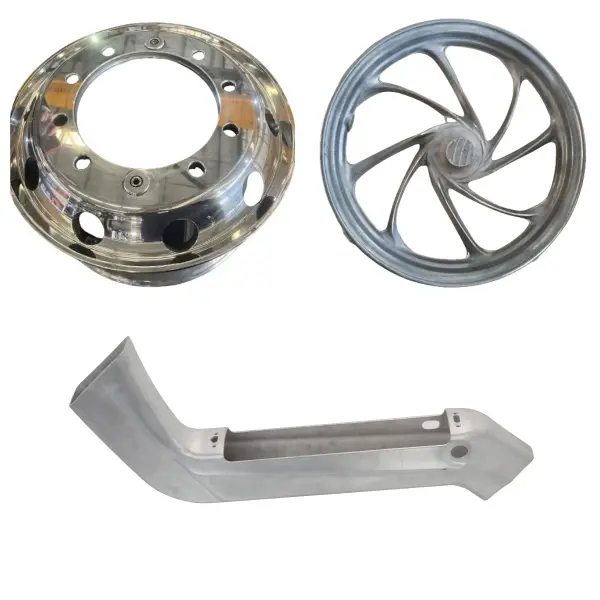
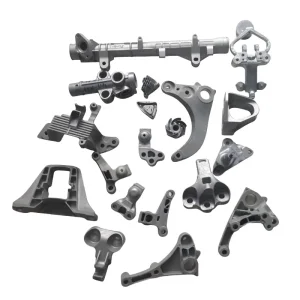
Adaptive deburring for engine casings and aluminum wheels, critical for safety and performance.
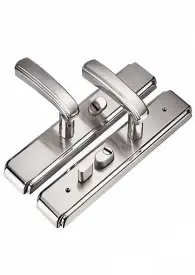
Precision grinding for door handles, panels, and zinc alloy components with complex decorative profiles.
As a growth-oriented SEO director, we recognize that customers aren't just looking for a machine; they are looking for a Total Production Solution. DingZhu provides a macro-view approach to factory automation:
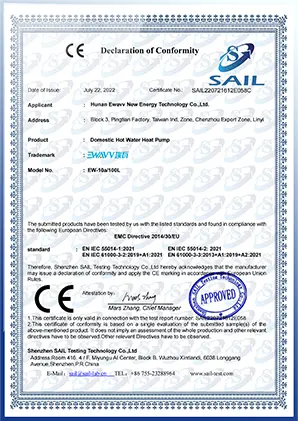
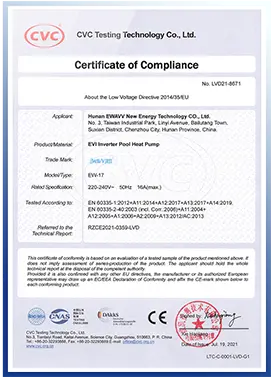
Let us optimize your production efficiency with exclusive equipment solutions to help you seize the dual high ground of quality and efficiency in the competition.
Query Project Quotation Dingzhu auto