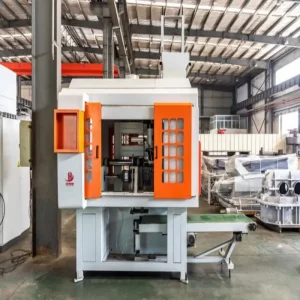
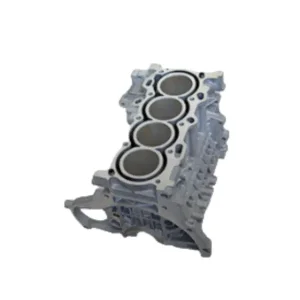
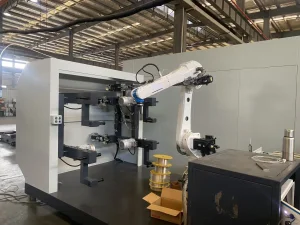
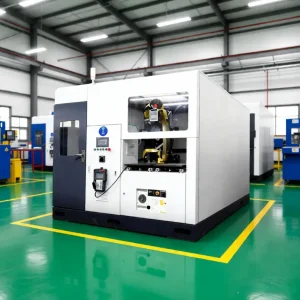
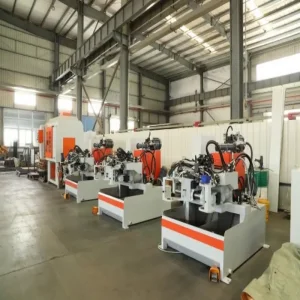
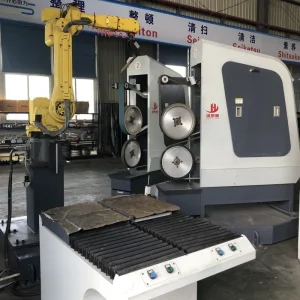
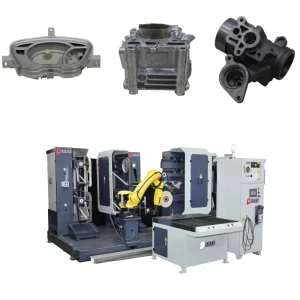
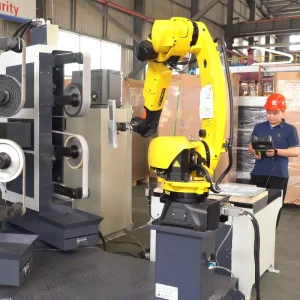
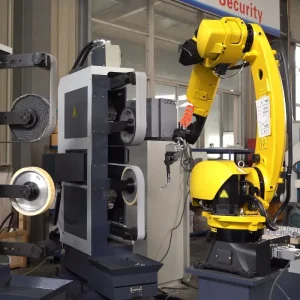
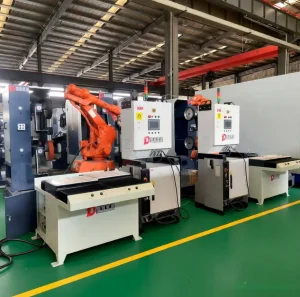
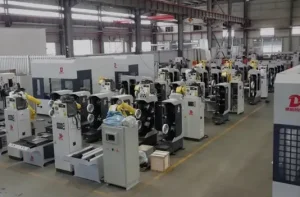
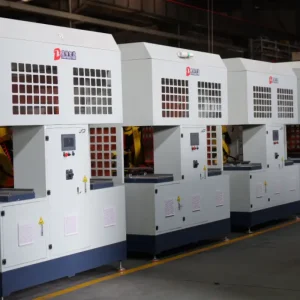
Founded in 2016, Xiamen DingZhu Intelligent Equipment Co.,Ltd is a powerhouse in the research, development, and manufacture of automated equipment for the foundry and finishing industry. Our expertise spans across plumbing hardware, sanitary, automotive spares, and high-precision medical components like prosthetic limbs.
With 20 years of technology precipitation, our systems are engineered to handle the complexities of metal and composite materials. We offer specialized robotic cell grinding and polishing machines designed for the rigorous demands of human-grade prosthetics.
Serving over 80 countries, DZ Intelligent has established itself as a reliable partner for global manufacturers seeking Chinese efficiency with international quality standards. We operate localized service centers in India, Egypt, Turkey, and Iran.
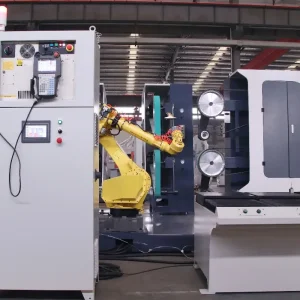
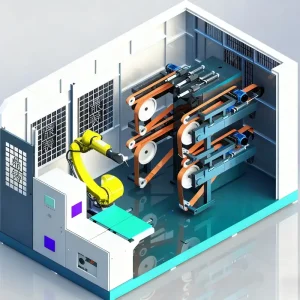
The prosthetic manufacturing industry is undergoing a paradigm shift. Surface finishing is no longer just about aesthetics; it is a critical factor in biocompatibility and patient comfort. Our Prosthetic Limbs Grinding And Polishing systems utilize force-controlled robotic arms to ensure that materials like Titanium, Stainless Steel, and advanced Carbon Fiber composites are finished to a mirror-like smoothness (Ra < 0.2µm), preventing skin irritation and bacterial growth.
Global medical device companies are increasingly looking to China for "High-End + Cost-Efficient" solutions. Procurement managers now prioritize:
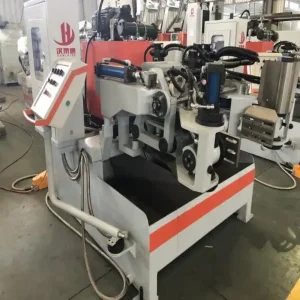
DZ Intelligent provides a Macro-Industry Solution. This includes the integration of Gravity Die Casting, Sand Core Shooting, and Automated Deburring into a single cohesive production line. For prosthetic manufacturers, this means a reduction in "Work-in-Progress" (WIP) and a 40% increase in throughput.
Integrating 3D vision systems to identify casting flash and surface defects automatically, adjusting the robotic path in real-time.
Simulating the polishing process in a virtual environment to predict abrasive consumption and optimize cycle times before the machine even starts.
Machine learning algorithms that analyze "successful" finishes to refine force-feedback parameters for complex organic prosthetic shapes.

With 20 years of precipitation, our equipment failure rate is significantly lower than the industry average, ensuring 24/7 production stability.

Our core engineering team focuses on the intersection of casting and robotic finishing, providing full-cycle support from selection to process upgrading.

Localized outlets in 80+ countries with standardized parts warehouses, covering 80% of wearing parts for "zero-waiting" replacement.
Navigating international trade and technical standards is complex. As a premier Exporter, DZ Intelligent ensures:
Ready to optimize your production efficiency with exclusive equipment solutions?
Query Project Quotation Now Dingzhu auto