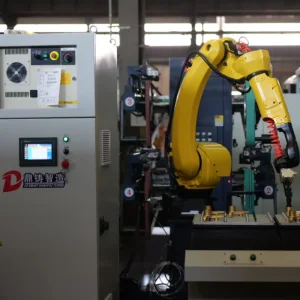
 Fully Automatic Precision Grinding & Polishing Machine
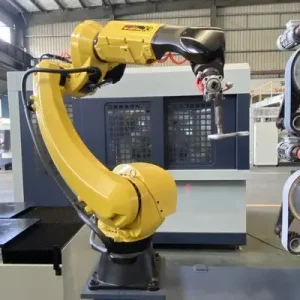 Motorcycle Door Handle Deburring Mirror Equipment
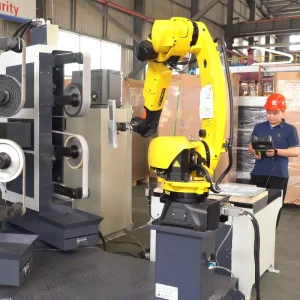 Automated Precision Grinding & Polishing Robot System
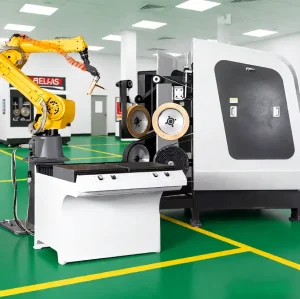 High Efficiency Robotic Grinding Machine for Metal
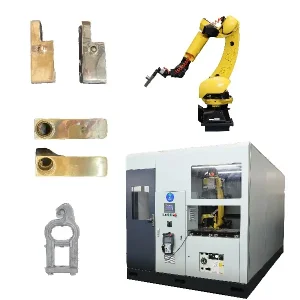 Stainless Steel & Aluminum Alloy Polishing Solutions
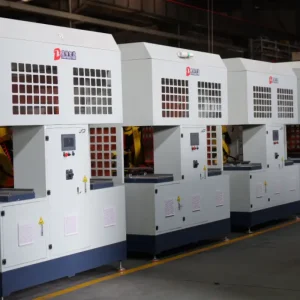 Multi-Functional Deburring Grinding Equipment
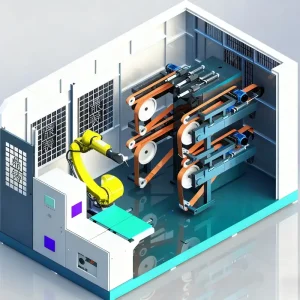 Precision Metal Parts Surface Treatment Solution
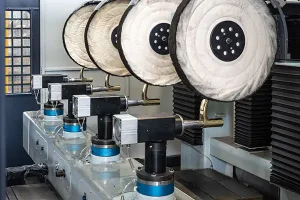 Robotic Bent Tube Polishing Machine CNC Programmable
In the contemporary industrial landscape, the role of metal shell polishing machine suppliers has shifted from providing standalone hardware to delivering integrated "Smart Surface Finishing Ecosystems." As global manufacturing moves toward Industry 4.0, the demand for precision, consistency, and traceability in metal shell finishing—spanning from 5G base stations and EV battery housings to luxury consumer electronics—has reached an all-time high.

We provide full-lifecycle automation, bridging the gap between high-pressure die casting and the final mirror finish, reducing internal logistics waste by 40%.

Our systems utilize force-feedback sensors to adapt to casting variations, ensuring uniform material removal even on complex 3D geometries.

Modern polishing factories require dust extraction and wet-filtration compliance. Our units are designed to meet stringent global environmental standards.

Xiamen DingZhu(DZ) Intelligent Equipment Co.,Ltd was founded in 2016, which was principally engaged in research, development and manufacture of automatically equipment for foundry industry used in plumbing hardware, sanitary, car spares, valves etc. We provide automatic core shooting machine, gravity die casting machine, automatic Low Pressure Die Casting machine (LPDC), robotic cell grinding and polishing machines.
Service Centers
Established
Countries Served
The global metal shell polishing market is currently undergoing a "Robotic Transition." While traditional manual polishing remains prevalent in low-cost regions, China's leading factories are spearheading the adoption of CNC-programmable and robotic cell systems. This shift is driven by the need for micron-level precision in the automotive and aerospace sectors.
According to recent industry white papers, the demand for automatic metal castings grinder polishers is expected to grow by 12% CAGR through 2030, with a specific focus on stainless steel, aluminum alloy, and zinc alloy materials. Suppliers like DingZhu are now competing not just on price, but on Information Gain—providing data on abrasive wear cycles, energy consumption, and MTBF (Mean Time Between Failures).
Current state-of-the-art involves 6-axis robotic arms with 8-belt systems, allowing for multi-stage finishing without human intervention.
Upcoming upgrades include high-definition cameras that scan every casting for defects before and after polishing, adjusting the path in real-time.
Simulating the polishing process in a virtual environment to predict finish quality and tool life before a single metal part is touched.
For a global buyer, a machine is only as good as its support network. DingZhu has established localized service outlets in strategic hubs: Turkey, India, Egypt, and Iran. This ensures:
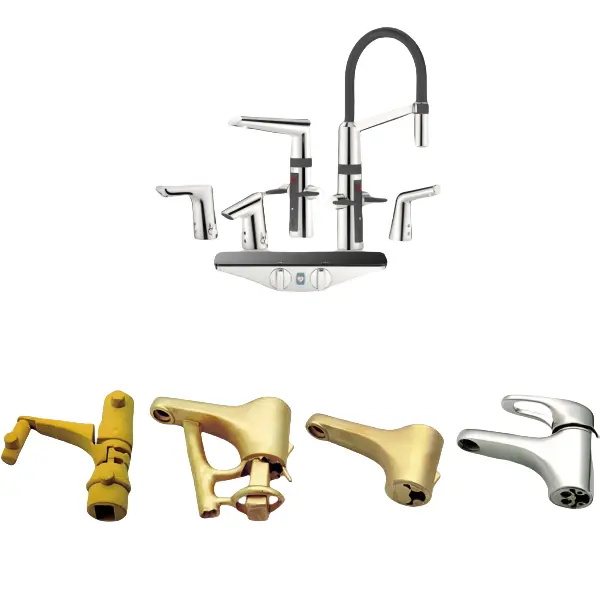
Achieving mirror-like chrome finishes for faucets and high-end bathroom hardware.
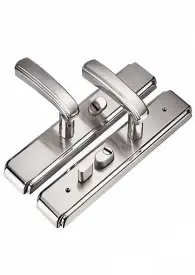
Precision deburring and polishing for door handles and decorative architectural metalwork.
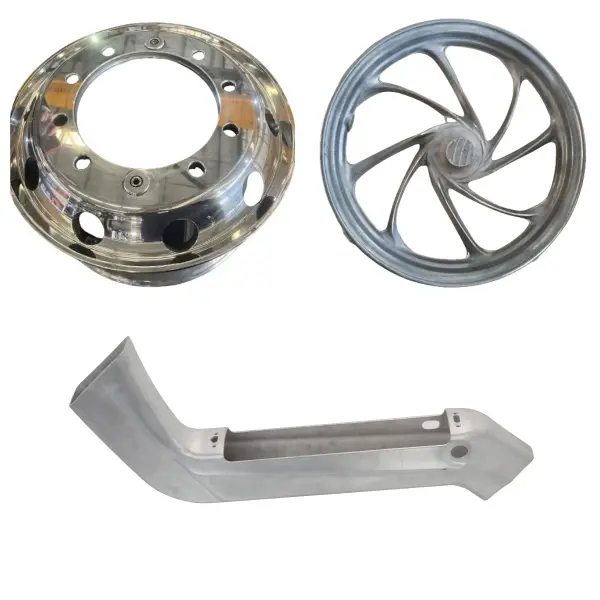
High-speed finishing for engine casings and structural aluminum die-cast parts.
A1: Our machines utilize frequency-controlled spindles and programmable pressure settings. For aluminum, softer abrasives and specific orbital paths are used to prevent galling, while stainless steel requires higher torque and aggressive cooling.
A2: Most of our clients see an ROI within 18–24 months. This is achieved through a 50% reduction in labor costs, a 30% reduction in abrasive waste, and significantly lower scrap rates due to consistent quality.
A3: Yes, our latest CNC and robotic systems are equipped with Industry 4.0 data ports (OPC-UA), allowing real-time monitoring of output, energy, and maintenance needs directly through your factory management software.
A4: We provide fully enclosed robotic cells with integrated high-efficiency dust collection systems and explosion-proof features, specifically designed for handling aluminum dust.
20 years of technology precipitation, the equipment adopts mature technical solutions verified by the market, with a failure rate lower than the industry average.
The core engineer team has focused on casting, grinding, and polishing for 20+ years, providing full-cycle support from selection to process upgrading.
Standardized parts warehouses in overseas outlets cover 80% of wearing parts, enabling "zero waiting" replacement in emergencies.
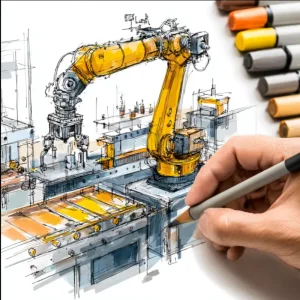 Precision Grinding & Polishing Robot for Hardware Accessories
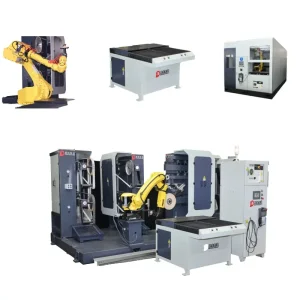 Automatic Metal Casting Grinding & Polishing Machine
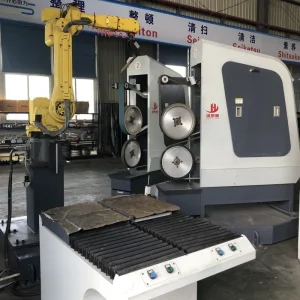 Robotic Cell Grinding & Polishing Machine (8 Belts)
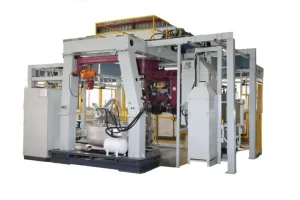 Automotive Copper Low Pressure Die Casting System
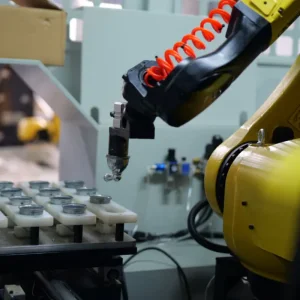 Intelligent Robot Automated Surface Finishing Solution
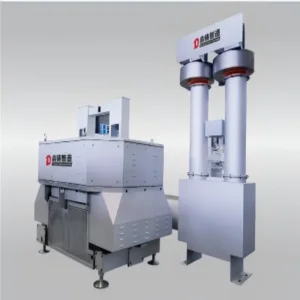 Intelligent Copper Melting Furnace PID Control Energy Saving
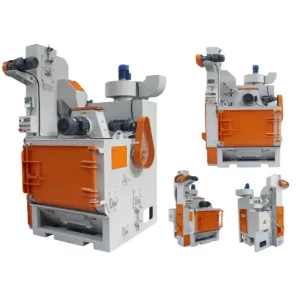 Brass Castings Shot Blasting & Sand Cleaning Machine
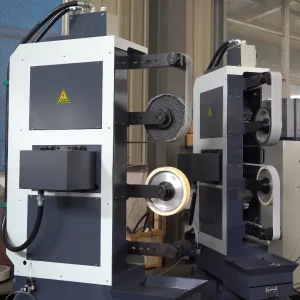 Automatic Polishing Machine for Stainless Steel Faucet
Let us help you seize the dual high ground of quality and efficiency in the global competition with exclusive equipment solutions.
Query Project Quotation Dingzhu auto