In the modern era of smart cities and digital utility management, the demand for high-precision water meter components has skyrocketed. At the heart of this industry lies the Water Meter Shell Casting Machine—a specialized piece of industrial technology designed to produce durable, leak-proof, and corrosion-resistant housings for water measurement devices. As global water scarcity increases, the accuracy of meter readings becomes paramount, placing unprecedented pressure on manufacturers to deliver perfect casting shells.
This whitepaper explores the current landscape of the casting industry, focusing on why wholesale water meter shell casting machine factories in China have become the primary partners for global exporters. We analyze the shift from traditional manual casting to fully automated, robotic-assisted production lines that ensure E-E-A-T (Experience, Expertise, Authoritativeness, and Trustworthiness) in every unit produced.
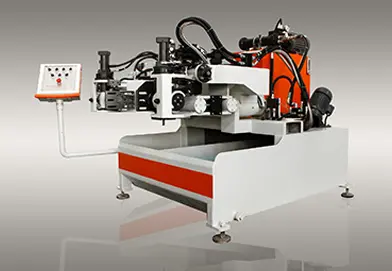
Water meter shells are typically made from copper alloys (brass), zinc alloys, or advanced stainless steels. These materials require specific thermal management and pressure controls during the casting process to avoid porosity and structural weaknesses. Modern gravity die casting and low-pressure die casting (LPDC) machines are now the industry standard, providing the consistency needed for high-volume wholesale distribution.

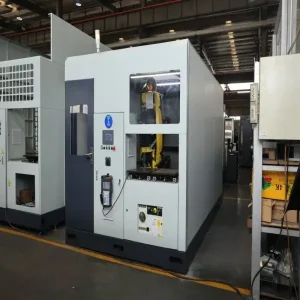
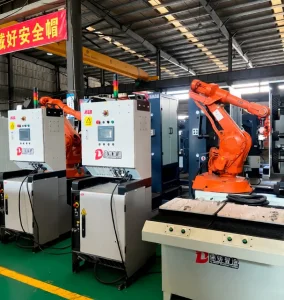
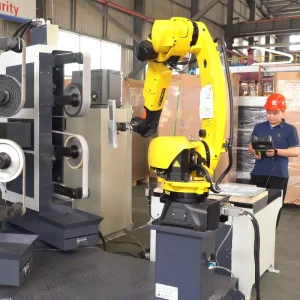
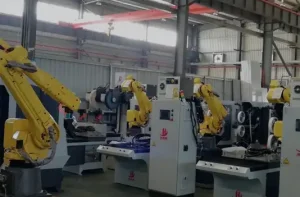
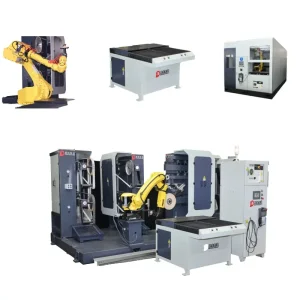
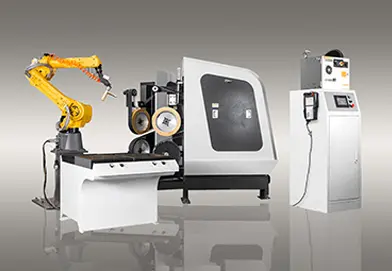
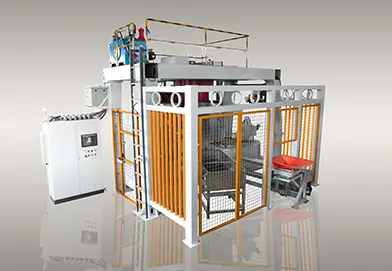
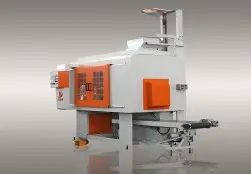
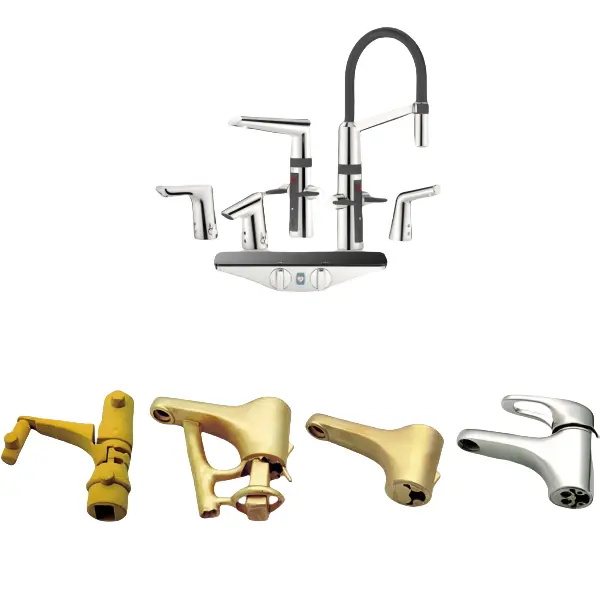
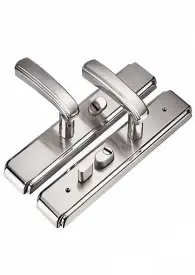
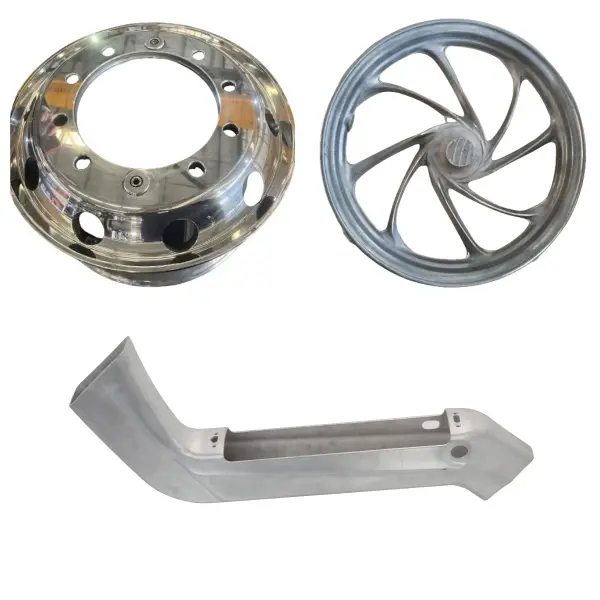
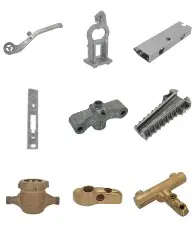
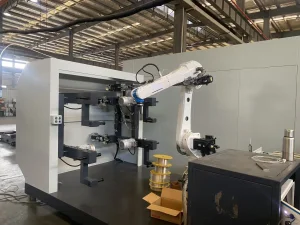
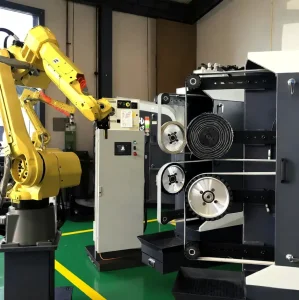
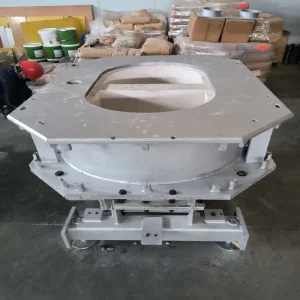
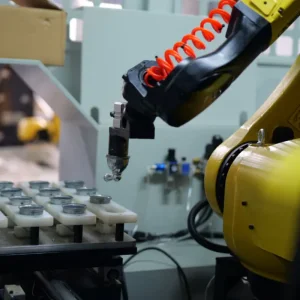
Xiamen DingZhu (DZ) Intelligent Equipment Co., Ltd was founded in 2016, principally engaged in the research, development, and manufacture of automatic equipment for the foundry industry. Our solutions are widely used in plumbing hardware, sanitary fittings, automotive spares, and valves. We provide automatic core shooting machines, gravity die casting machines, automatic Low Pressure Die Casting machines (LPDC), and robotic cell grinding and polishing machines.
China has solidified its position as the global hub for Water Meter Shell Casting Machine production through a unique combination of supply chain vertical integration and rapid R&D iteration. Choosing a Chinese factory for wholesale procurement offers several "Information Gain" advantages that competitors elsewhere struggle to match:
Chinese factories are located in industrial clusters where raw materials, electronic controllers (PLCs), and hydraulic components are sourced within a 50-mile radius. This reduces lead times and allows for competitive wholesale pricing.
Unlike Western counterparts, Chinese exporters like DingZhu offer agile customization. Whether it’s adjusting for specific brass alloys or integrating proprietary IoT monitoring, the flexibility is unmatched.
The latest generation of machines features AI vision systems that detect casting defects in real-time, a technology being rapidly deployed across Chinese export-grade machinery.
From single core-shooting machines to fully autonomous robotic casting cells, the scalability allows small factories to grow into massive exporters with the same equipment partner.
The global foundry industry is undergoing a paradigm shift. For water meter shell exporters, three major trends are defining the procurement strategy for the next decade:
Environmental regulations (such as NSF/ANSI 61 in the USA) are mandating lead-free brass. This material is notoriously difficult to cast due to its higher melting point and different shrinkage characteristics. DingZhu's specialized Low Pressure Die Casting machines are specifically optimized for these "green" materials, ensuring zero-defect production.
Modern casting machines are no longer standalone units. They are nodes in a digital network. Real-time data on furnace temperature, cycle times, and hydraulic pressure are fed into cloud platforms, allowing factory managers to predict maintenance needs and optimize energy consumption.
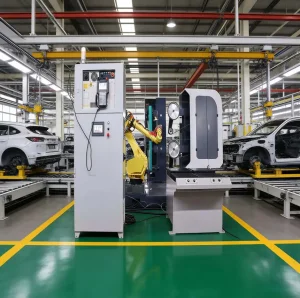
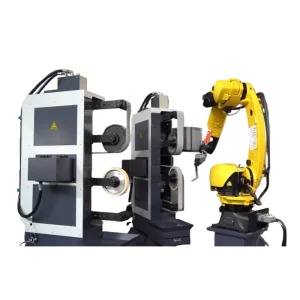
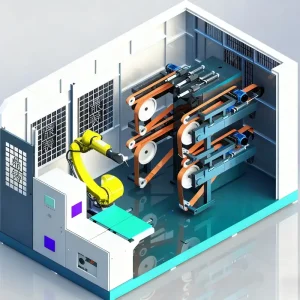
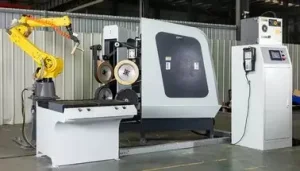
The "Shell" is only as good as its finish. Manual grinding is hazardous and inconsistent. The integration of robotic grinding and polishing systems ensures that the exterior of the water meter is perfectly smooth, which is critical for the seating of electronic components and the aesthetics required by premium utility brands.
When multi-national enterprises (MNEs) source wholesale water meter shell casting machines, they follow a rigorous E-E-A-T framework. To succeed as an exporter, factories must demonstrate:
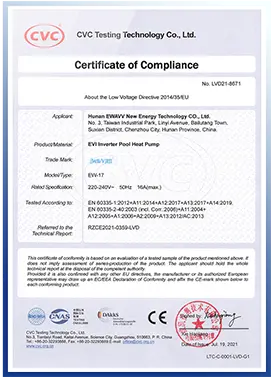
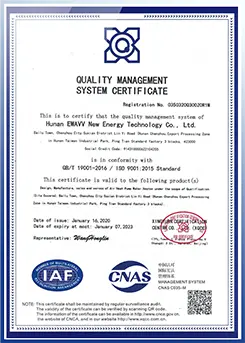
Let us provide you with exclusive equipment solutions to help you seize the dual high ground of quality and efficiency in the competitive global market.
Query Project Quotation Now Dingzhu auto