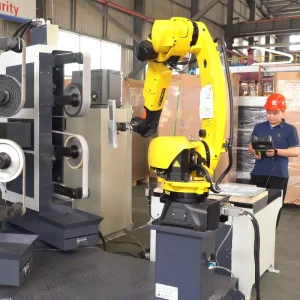
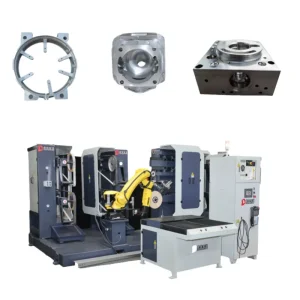
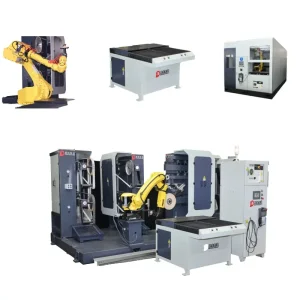
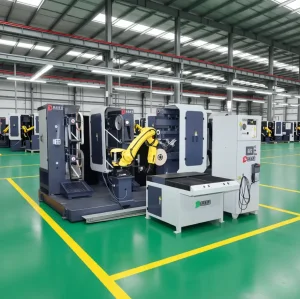
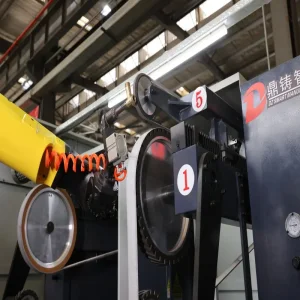
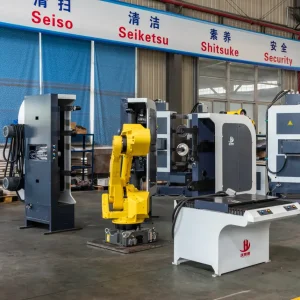
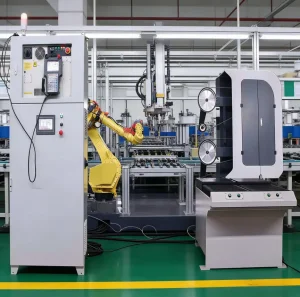
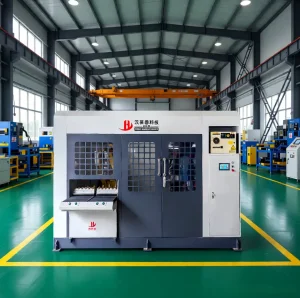
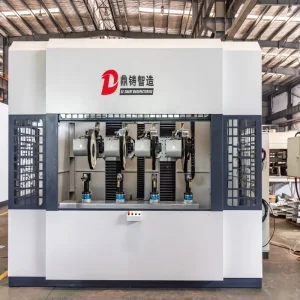
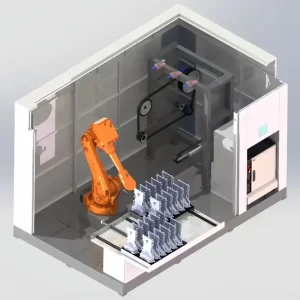
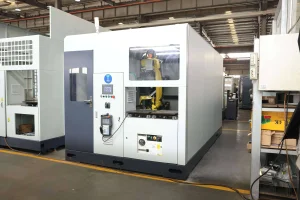
In the modern industrial landscape, a Wholesale Stainless Steel Aluminum Grinder is no longer a simple abrasive tool. It is a sophisticated node in a Smart Factory. As search intent shifts from "equipment purchase" to "system integration," DingZhu is leading the way by providing Information Gain through integrated AI force-feedback systems that ensure 0.01mm precision in metal removal.
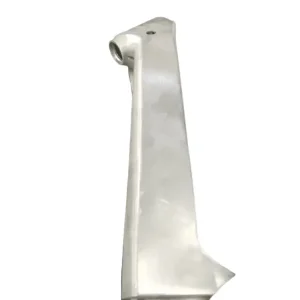
Grinding Stainless Steel requires thermal management to prevent work hardening, while Aluminum demands specialized lubrication and chip clearance to avoid "clogging" of abrasive surfaces. Our robotic cells are programmed with specific technical roadmaps for each alloy type, maximizing throughput while minimizing tool wear.
Current industrial trends indicate a CAGR of 6.2% in the automated finishing sector. North American and European markets are prioritizing EHS (Environment, Health, Safety) by removing workers from dust-heavy environments, while Southeast Asian manufacturing hubs are focusing on yield optimization and labor cost reduction.

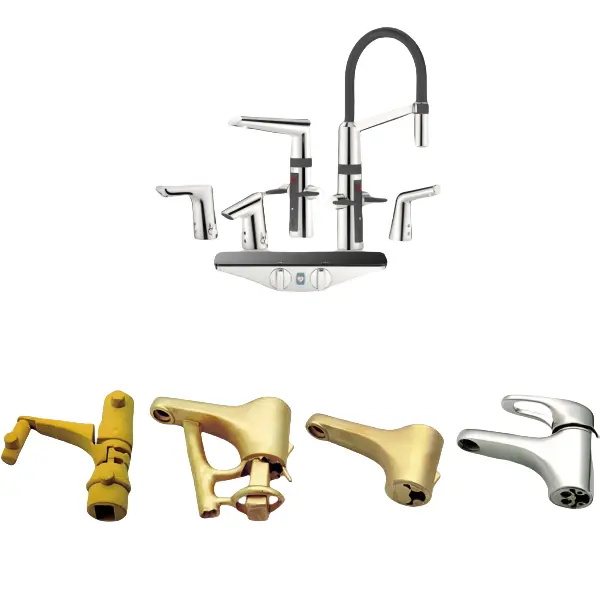
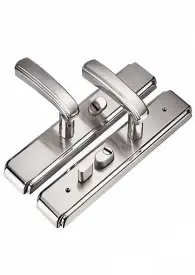
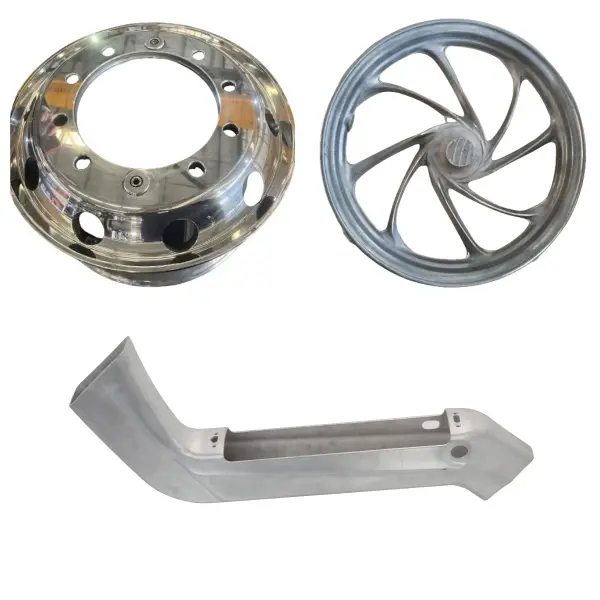
Xiamen DingZhu(DZ) Intelligent Equipment Co.,Ltd was founded in 2016, which was principally engaged in research,development and manufacture of automatically equipment for foundry industry used in plumping hardware,sanitary ,car spares ,valves etc.We provide automatic core shooting machine,gravity die casting machie,automatic Low Pressure Die Casting machine (LPDC), robotic cell grinding and polishing machines.
Service Centers
Established
Countries Served
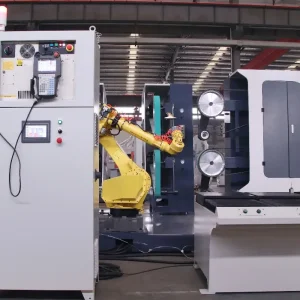
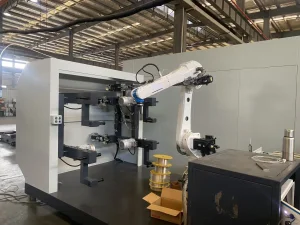
Integration of 6-axis robotic arms with high-torque spindles for heavy-duty deburring of stainless steel castings. Use of force-control sensors to adapt to casting variations.
Implementation of 3D scanning technology to "see" the workpiece, allowing the robot to automatically adjust its grinding path based on real-time surface topology.
Total factory integration where grinding parameters are uploaded to the cloud for predictive maintenance and global quality synchronization across multiple factory sites.

20 years of technology precipitation, the equipment adopts mature technical solutions that have been verified by the market, and the failure rate is lower than the industry average.

The core engineer team has focused on the field of casting, grinding and polishing for more than 20 years, providing full-cycle support from selection to process upgrading.

Set up localized service outlets in India, Egypt, Turkey, Iran and other countries, and promise on-site response within 24 hours.

Standardized parts warehouses in overseas outlets, covering 80% of wearing parts, achieving "zero waiting" replacement in emergencies.
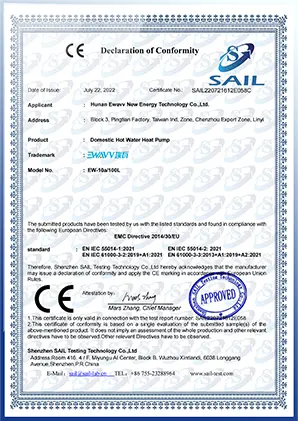
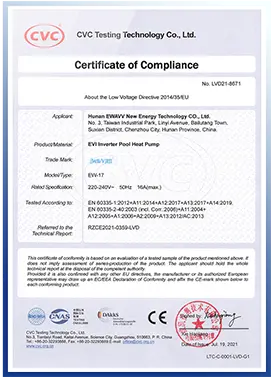
Operating a Wholesale Stainless Steel Aluminum Grinder Factory requires adherence to strict international standards. DingZhu ensures that all robotic cells meet CE certification, ISO 9001 quality management, and local safety protocols such as ANSI (USA) and EN (Europe).
We provide localized documentation, multilingual HMI (Human Machine Interface) software, and specialized training programs for local technicians to ensure that your investment in automation translates into immediate ROI.
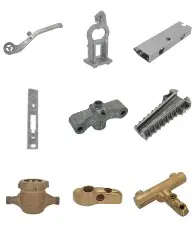
Let us optimize your production efficiency with exclusive equipment solutions to help you seize the dual high ground of quality and efficiency in the competition.
Query project quotation Dingzhu auto