 Dingzhu auto
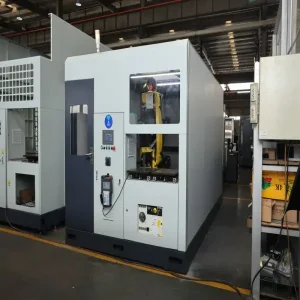
Industry Whitepaper: The Evolution of Copper Casting Technology
The global copper casting industry is undergoing a paradigm shift. As wholesale copper casting equipment factories and exporters pivot towards Industry 4.0, the demand for high-precision, automated, and energy-efficient systems has reached an all-time high. Copper and its alloys, particularly brass and bronze, are critical in sectors ranging from renewable energy and electric vehicles (EVs) to high-end sanitary ware and architectural hardware.
1. Global Procurement Landscape and Market Dynamics
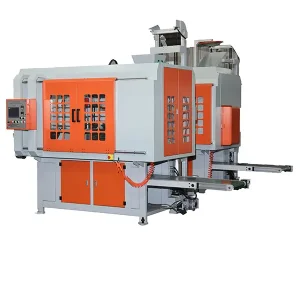
In the current industrial climate, procurement officers from Tier-1 automotive suppliers and infrastructure developers are no longer just looking for "machines." They are seeking integrated manufacturing solutions that guarantee yield consistency, reduce human intervention, and comply with stringent ESG (Environmental, Social, and Governance) standards. Export data shows a 25% year-over-year increase in demand for "Low Pressure Die Casting (LPDC)" and "Robotic Post-Processing" units across Southeast Asia, the Middle East, and Europe.
Market Reach
Over 80 countries served, focusing on high-growth markets like India, Egypt, Turkey, and Vietnam where infrastructure demand drives copper utilization.
AI Integration
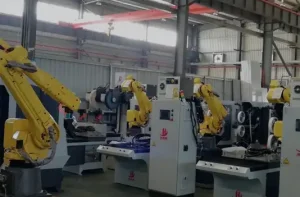
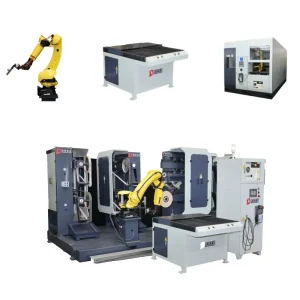
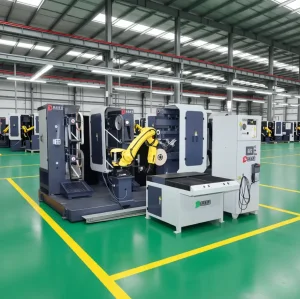
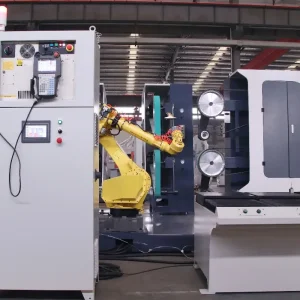
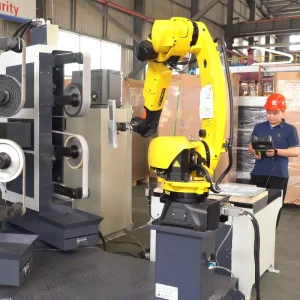
Deployment of intelligent path-planning algorithms in robotic polishing ensures a 99.8% finish consistency, drastically reducing scrap rates.
Sustainability
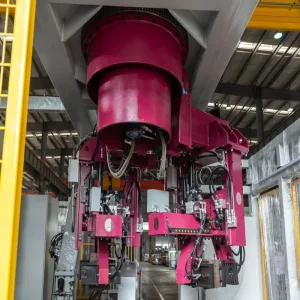
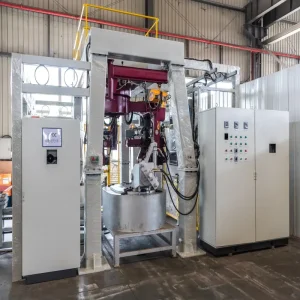
Modern gravity casting and LPDC machines are engineered for 30% lower energy consumption compared to legacy hydraulic systems.