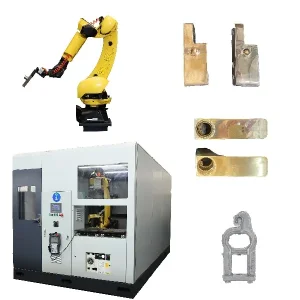
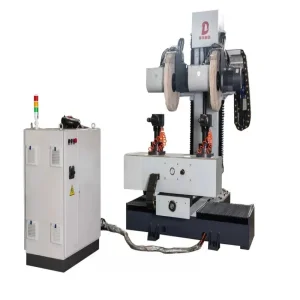
Wholesale Stainless Steel Mirror Finish Machine Manufacturer & Exporter

Precision Engineering, Robotic Surface Automation, and Advanced Mechanical Grinding Solutions for Modern Metallurgy Industries and Factory Scaling Worldwide.

Premium Precision Equipment Catalogue - Part I

Explore our leading industrial grinding, robotic polishing, and metallurgical casting systems built for maximum processing consistency.
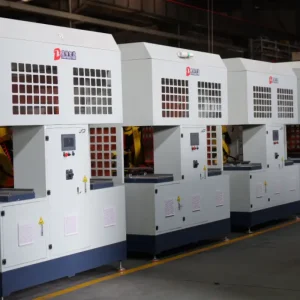
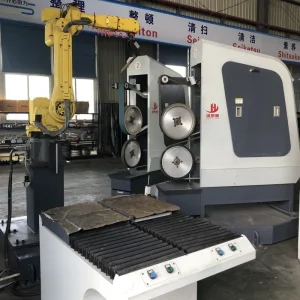
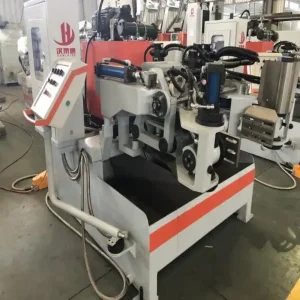
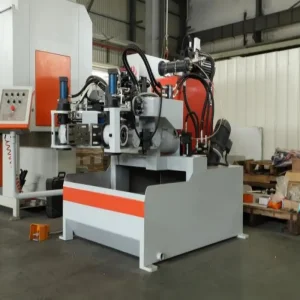
Wholesale Industrial Grinding and Polishing Machine

Industrial Grinding and Polishing Machine for Zinc Alloy, Aluminum Alloy & Brass Factories

View Specifications
Fully Automatic CNC Grinding and Polishing Machine

China Fully Automatic CNC Grinding and Polishing Machine - Precision Surface Finishing

View Specifications
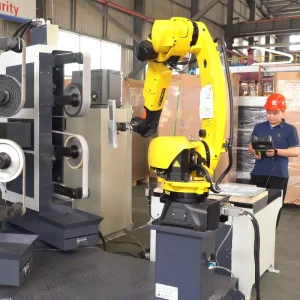
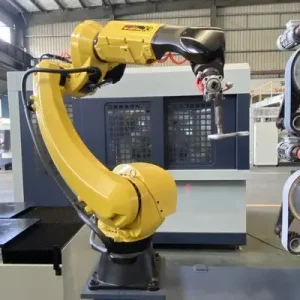
Industrial Grinding Robot System

China New Industrial Grinding Robot System for Metal Finishing Automated Robotic Grinding

View Specifications
High Efficiency Automatic Grinder Polisher

China High Efficiency Automatic Grinder Polisher Metal Castings Deburring Mirror Finishing

View Specifications
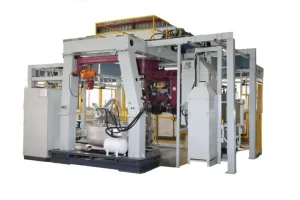
Automated Gravity Die Casting System

Wholesale Automated Gravity Die Casting System with High-Pressure Efficiency

View Specifications
Automotive Copper Die Casting Machine

Wholesale Automotive Copper Low Pressure Die Casting Machine System

View Specifications
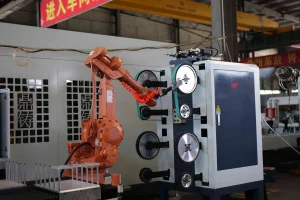
Robotic Grinding and Polishing Cell

Wholesale Robotic Grinding and Polishing Cell for Metal Castings Automatic Deburring

View Specifications
Individually Adjust cooling time gravity die casting machine

Wholesale Individually Adjust the Cooling Time Gravity Die Casting Machine of Brass and Ferrous Alloy

View Specifications

About Xiamen DingZhu (DZ) Intelligent Equipment Co., Ltd.

A trusted global leader in foundry automation, structural CNC machining, and ultra-high precision surface polishing.

Xiamen DingZhu Intelligent Equipment Facility

Founded in 2016, Xiamen DingZhu (DZ) Intelligent Equipment Co., Ltd. has established itself as an engineering pioneer, specializing in the research, mechanical development, and global manufacture of automation equipment designed for the foundry and surface finishing industries. Our systems are extensively utilized across major markets including plumbing hardware, sanitary ware, automotive spare parts, and industrial valves.

Over the years, our proprietary R&D has yielded an elite fleet of automatic core shooting machines, gravity die casting machines, low-pressure die casting machines (LPDC), and advanced robotic grinding cells designed to convert raw metals into mirror-finished precision components.

80+
Countries Served Globally
5
Global Service Centers
20+
Years R&D Expertise

The Science Behind Stainless Steel Mirror Finishing

Understanding surface topology, abrasive physics, and mechanical micro-grinding pathways to achieve flawless specular reflection.

Achieving a true mirror finish (commonly classified as a No. 8 Mirror Finish or super-polishing) on stainless steel alloys is a complex mechanical challenge that requires precise coordinate control, optimal surface temperature management, and microscopic roughness reduction. Traditional manual systems produce irregular surface profiles, micro-scratches, and high worker hazard rates due to toxic particulate emissions. Modern smart CNC machines eliminate these discrepancies by applying multi-step abrasive protocols with precise force monitoring.

Determining Factors of Surface Roughness ($R_a$ & $R_z$)

To produce a mirror-grade finish where light reflects without scatter, the surface roughness profile ($R_a$) must be lowered to less than 0.05 microns (μm). The journey from a raw casting or milled metal piece (typically having an $R_a$ of 5.0 to 12.5 μm) to a smooth specular plane requires structural abrasive cycles. Each phase reduces peak-to-valley micro-irregularities. Our CNC polishing machines apply progressive abrasive grits—transitioning systematically from coarse grits (such as 180, 240, 320, 600, 1000) to fine silicon carbide, aluminum oxide compounds, and liquid buffing suspensions.

Furthermore, maintaining constant force is critical. Stainless steel suffers from high work-hardening rates and low thermal conductivity. If too much pressure is applied, high temperatures can trigger thermal expansion, localized discoloration (blueing), or structural micro-cracks. Our machines overcome this through active pneumatic force feedback loops, adjusting tool-to-workpiece contact pressures dynamically in real-time.

Abrasive Process Stage Typical Grit Standard Target Roughness ($R_a$) Material Defect Mitigation Action
Stage 1: Primary Grinding 120 - 240 Grit (Al2O3 / SiC) 1.2 - 2.5 μm Removes parting lines, flashings, and surface pitting.
Stage 2: Precision Sizing 320 - 600 Grit (SiC Belt) 0.4 - 0.8 μm Smoothes out primary scratches and corrects dimensional variances.
Stage 3: Pre-Mirror Prep 800 - 1200 Grit (Fine Abrasive) 0.1 - 0.3 μm Refines surface geometry and prepares metal for buffing phases.
Stage 4: Buffing & Super-polishing Cotton Wheel & Alumina Paste < 0.05 μm Eliminates microscopic light dispersion, delivering a mirror finish.

Global Industry Trends & Macro Procurement Demands

Analyzing key shifts in modern factory automation, localized compliance, and international safety frameworks.

1. High-Repeatability Cost Control

Global procurement teams prioritize grinding machines that minimize consumables wear, reduce wheel replacements, and automate cycle calibrations, ensuring a low total cost of ownership (TCO).

2. Intelligent Force Control (Active Force Compliance)

Unlike rigid conventional polishers, modern factories demand active feedback sensors that dynamically adjust tool tension. This prevents gouging, limits scrap, and preserves delicate geometric curves.

3. Dust-Explosion & OSHA Compliance

Fine aluminum and stainless steel dust present significant explosive hazards. The market favors systems equipped with explosion-proof wet collectors and fully enclosed, pressurized robotic cells.

Macro Solutions for Heavy Sanitary & Automotive Production Line Integration

In high-capacity sanitary ware and automotive manufacturing, integration is the primary key to profitability. Modern production demands that a raw gravity die casting moves directly into automated gating cutting, robotic flash grinding, deburring, and multi-stage mirror polishing with minimal human handling.

Integrating Xiamen DingZhu (DZ) automated casting units with our smart robotic cells creates a streamlined line that cuts work-in-progress (WIP) inventories by up to 50%. Our systems feature synchronized interface protocols, allowing them to communicate directly with MES (Manufacturing Execution Systems) for unified tracking and performance optimization.

Engineering Roadmap & Global Support Ecosystem

From high-reliability casting to worldwide after-sales backup, we guarantee plant operational continuity.

Tested Performance

Developed with 20 years of technical expertise, our systems use field-tested configurations to keep hardware failure rates well below the industry average.

Core Team Escort

Our core engineering team has focused on casting, grinding, and polishing automation for more than 20 years, providing complete lifecycle support.

Global Service Centers

With local hubs in India, Egypt, Turkey, and Iran, we guarantee on-site technical response within 24 hours.

Spare Parts Strategy

Standardized overseas warehouses stock over 80% of common wear parts, enabling fast replacements and improving maintenance efficiency by 60%.

Future Technical Roadmap: Real-Time Vision Quality Metrology

The next generation of DZ Intelligent Equipment focuses heavily on AI-assisted surface quality assessment. By integrating high-speed, structural light 3D cameras directly onto the robotic polishing arm, our machines will evaluate surface topology on the fly. If an area deviates from the targeted roughness values, the machine dynamically recalculates the path and polishing force, eliminating post-process inspection bottle-necks and securing 100% QA conformity.

Deep-Dive Technical FAQ - Surface Finishing & Foundry Systems

In-depth structural answers and engineering advice to address the most common challenges in automatic grinding and mirror polishing.

Q1: What mechanical design elements allow your machines to achieve a true mirror finish (Ra < 0.05 μm) consistently?
Our systems utilize highly rigid mechanical castings, precision ground double-column guideways, and low-backlash planetary gearboxes to eliminate micro-vibrations during operation. Paired with our Active Force Control (AFC) module, the contact pressure between the buffing wheel and the workpiece remains uniform, preventing surface micro-waviness.
Q2: How does your CNC polishing system handle tool wear compensation during long-run production cycles?
Our CNC grinding and polishing software features an integrated abrasive wear calculation model and active sensor probes. The system automatically measures the buffing wheel's diameter at set intervals and adjusts the coordinate offsets dynamically. This maintains consistent peripheral speed and pressure, ensuring stable surface finishes.
Q3: Can these machines process non-ferrous alloys like brass, zinc, and aluminum, and what are the specific safety risks involved?
Yes, our systems are highly compatible with zinc, aluminum, and brass alloys. However, aluminum and zinc dust are highly explosive when airborne. To mitigate this risk, our systems feature fully enclosed workrooms, explosion-proof extraction ports, and water-wash wet dust collectors compliant with ATEX and NFPA regulations.
Q4: What are the main benefits of a robotic grinding cell over standard multi-axis CNC machines for complex sanitary components?
Robotic grinding cells offer superior dexterity. By utilizing a 6-axis robotic arm paired with a multi-axis positioner, the system can access hard-to-reach pockets, complex curves, and interior radii of faucets and handles. CNC systems are typically optimized for flat surfaces or symmetric profiles.
Q5: How does Xiamen DingZhu support localized operations and prevent unplanned plant downtime?
We maintain localized service centers in key markets (including India, Egypt, Turkey, and Iran) staffed by factory-trained field application engineers. In parallel, our standardized overseas warehouses stock over 80% of critical wear parts, reducing response times to under 24 hours.
Q6: What programming interfaces do your robotic and CNC systems utilize for line configuration changes?
Our systems feature an intuitive offline programming (OLP) suite. This lets operators import standard 3D CAD files (STEP, IGES), automatically generate finishing paths, and simulate tool movements prior to production, cutting setups down to minutes.
Q7: How do your low-pressure and gravity die casting machines integrate with downstream finishing cells?
Our systems support seamless integration. Once casting is complete, robotic extractors place the part directly onto standardized cooling fixtures. The workpiece is then scanned via 3D vision, aligned, and handed off directly to our robotic deburring and polishing cells, minimizing manual handling.
Q8: How does your system control high heat generation on thin-walled stainless steel parts?
To prevent thermal distortion, our control software uses synchronized oscillating patterns and pulse-cooling delivery. This distributes heat evenly along the tool path, keeping the workpiece surface within safety thresholds.
Q9: What is the typical life expectancy of your heavy-duty grinding spindles and robotic cells?
Under standard operating conditions with regular maintenance, our structural cast-iron bases and structural components are designed for over 15 years of continuous service. Precision spindles and robotic joints feature high dust protection ratings (IP65/IP67) to ensure multi-year reliability.
Q10: Are custom structural designs available for high-throughput or non-standard parts?
Yes, our engineering team offers custom tool fixtures, specialized abrasive heads, and tailored robotic envelopes designed around your unique production targets. We run full virtual cycle simulations to guarantee performance before machine assembly.

Premium Precision Equipment Catalogue - Part II

Advanced fully automatic, robotic, and specialized motorcycle, sanitary, and automotive casting processing components.
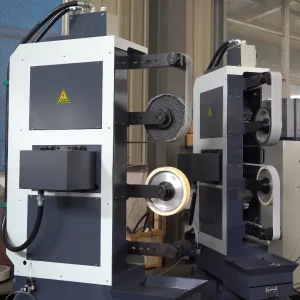
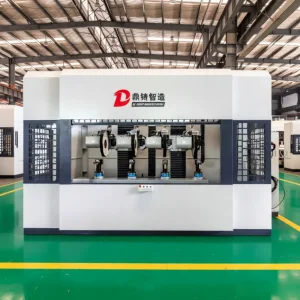
China Intelligent Fully Automatic Polishing Machine

China Intelligent Fully Automatic Polishing Machine, Versatile Robotic Grinding Deburring

View Specifications
China Robotic Polishing Machine for Metal Products

China Robotic Polishing Machine for Various Metal Products - Efficient Surface Finishing

View Specifications
China Automatic Polishing Machine Manufacturers Exporters

China Automatic Polishing Machine for Metal Surface Finishing Manufacturers, Exporters

View Specifications
China Metal Castings Grinder Polisher

China Automatic Metal Castings Grinder Polisher Motorcycle Door Handle Deburring

View Specifications
Wholesale Surface Automation for Metal Castings Grinding

Wholesale Defect Free Surface Automation for Metal Castings Grinding & Polishing Machine

View Specifications
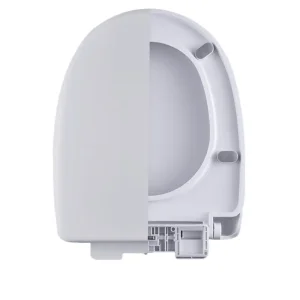
Wholesale Precision Automatic Toilet Lid Grinding

Wholesale Precision Automatic Toilet Lid Grinding and Polishing Robotic System

View Specifications
Wholesale New Automatic Deburring Machine

Wholesale New Automatic Deburring Machine for Aluminum Castings Metal Polishing

View Specifications
Wholesale Two Stations Automaticed polishing machine

Wholesale Two Stations Automated Polishing Machine Factory, Exporter

View Specifications

Multi-Material Solutions & Application Scenarios

Providing specialized grinding, deburring, and casting configurations for distinct metallurgy properties.

1. Sanitary Fittings & Plumbing Hardware

Sanitary ware requires smooth profiles to ensure uniform electroplating. Our robotic grinding cells remove parting lines from cast brass faucets and hand-held showers, leaving a surface optimized for plating lines.
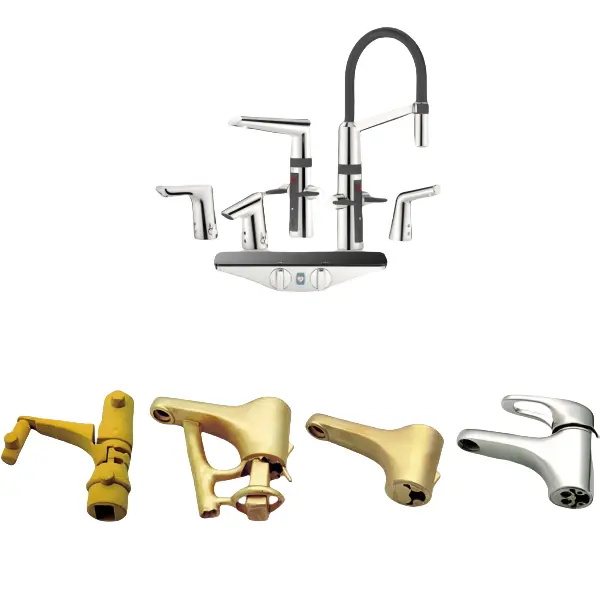
Sanitary Fittings Casting and Polishing

2. Hardware Accessories & Door Handles

For stainless steel and zinc alloy door panels, maintaining uniform edge deburring and surface flatness is critical. Our machines process complex edge profiles without flat-spotting the radii.
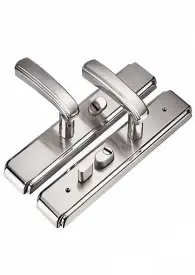
Door Handle and Hardware Panel Polishing

3. Structural Automotive Components

Lightweight aluminum structural parts require flash removal to protect engine housing performance. Our high-efficiency automated grinders process automotive components rapidly with repeatable accuracy.
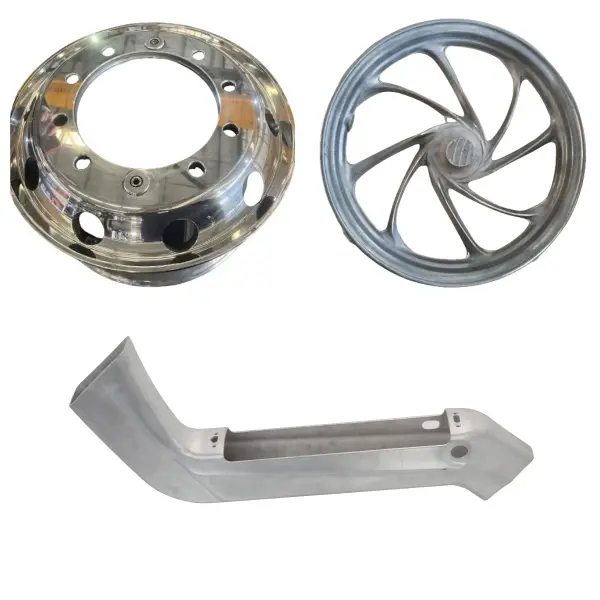
Automotive Castings Deburring

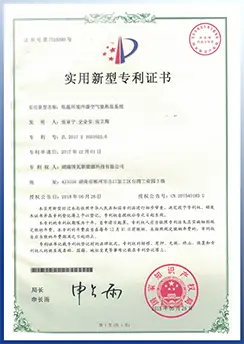
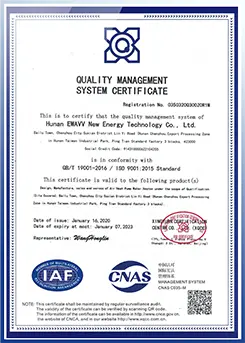
International Certifications & Engineering Standards

Our commitment to rigorous design quality, process safety, and international conformity compliance.
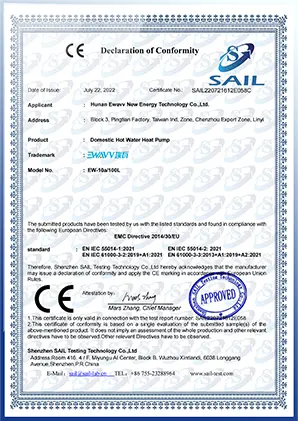
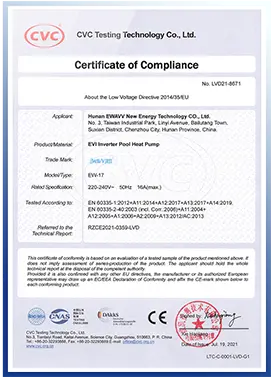
ISO Quality Certificate

Quality Management

CE Mark Safety Certificate

European CE Safety

Safety Standard compliance

Occupational Safety

Advanced Engineering Certificate

Export Qualification

Maximize Your Plant's Output and Surface Quality

Partner with a globally recognized manufacturer and exporter. Let us optimize your production efficiency with exclusive, customized equipment solutions to secure your market advantage. Click below to discuss your project requirements.

Request Technical Solutions & Quotation