Advanced industrial solutions for brass, aluminum, and zinc alloy surface treatment.
Strategic Insights for Global Procurement Managers and Industrial Engineers
The global manufacturing landscape is undergoing a seismic shift toward Industry 4.0. Within this transformation, the finishing of alloy surfaces—ranging from zinc and aluminum to high-grade brass—has evolved from a labor-intensive manual task to a high-precision, robotically automated discipline. As a premier wholesale alloy surface finishing machine manufacturer, Xiamen DingZhu (DZ) Intelligent Equipment Co., Ltd. is at the forefront of this revolution.
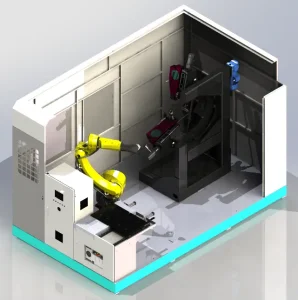
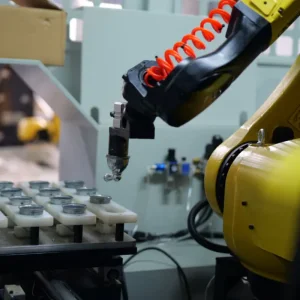
Current industrial benchmarks demand more than just a shiny surface. The automotive, sanitary ware, and high-end hardware industries now require microscopic consistency in deburring and polishing. Global demand for automated surface treatment has surged by 15% annually as companies strive to eliminate human error and occupational health risks associated with traditional grinding. The integration of Robotic Polishing Cells has become the gold standard for achieving repeatable quality in complex geometries, such as automotive engine components and designer faucets.
China’s role in the global supply chain has transitioned from "Mass Producer" to "Innovation Hub." Chinese factories, particularly leaders like DingZhu, have adopted Factory 4.0 protocols. This includes the use of real-time data monitoring, energy-efficient induction furnaces, and AI-driven robotic paths. For global buyers, this means supply chain resilience: the ability to source machines that are not only technologically superior but also manufactured with the efficiency required to maintain competitive wholesale pricing without compromising on E-E-A-T (Experience, Expertise, Authoritativeness, and Trustworthiness).
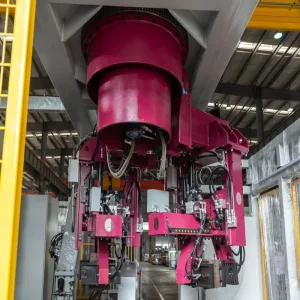
The latest trends focus on "Intelligent Feedback." Modern machines now feature sensors that detect wheel wear and automatically adjust the robotic pressure to maintain surface uniformity. Furthermore, Low Pressure Die Casting (LPDC) technology is becoming more integrated with downstream finishing, creating a seamless flow from molten metal to a finished, polished product. This "All-in-One" approach reduces material waste and energy consumption, aligning with global ESG (Environmental, Social, and Governance) goals.
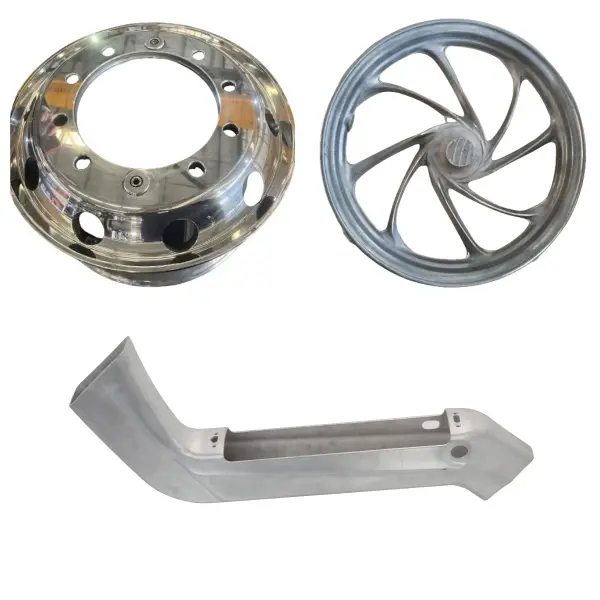
High-precision grinding for electric vehicle (EV) motor housings and alloy wheels, ensuring aerodynamic efficiency and aesthetic perfection.
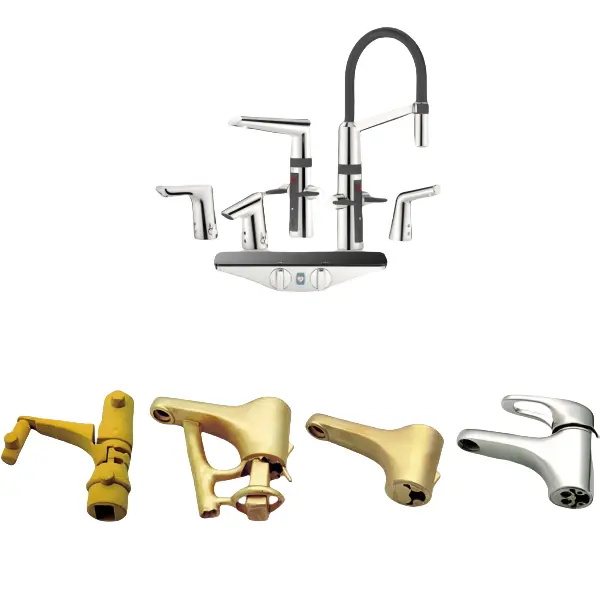
Automated casting and polishing for brass faucets and water meters, meeting the strict surface requirements for electroplating.
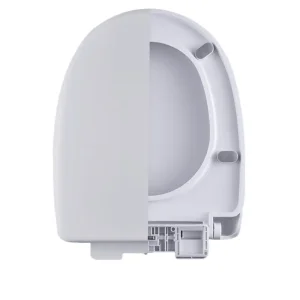
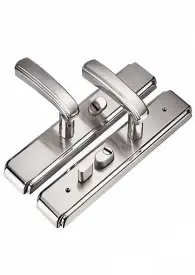
Mass production of door handles, hinges, and lock plates with consistent deburring to ensure safety and luxury feel.

Founded in 2016, we have leveraged over 20 years of technology precipitation. We specialize in the research, development, and manufacture of automatic foundry equipment used in plumbing hardware, sanitary ware, automotive spares, and valves. Our mission is to provide global factories with the "Information Gain" needed to outperform competitors through efficiency and superior finishing.
Our automatic core shooting machines ensure high-density sand cores for complex internal alloy structures.
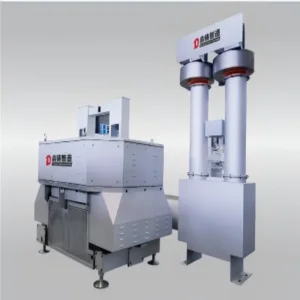
New industrial furnaces designed for 30% lower electricity consumption with powerful degassing features.
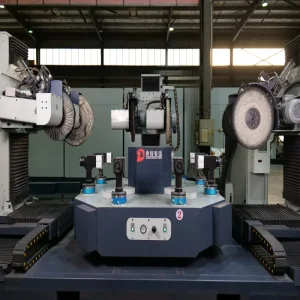
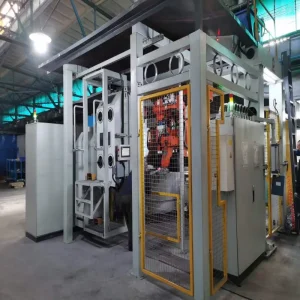
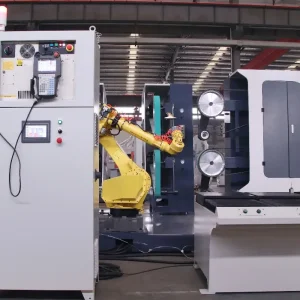
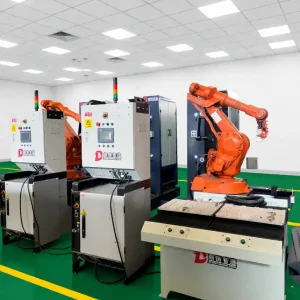
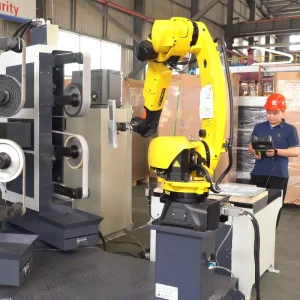
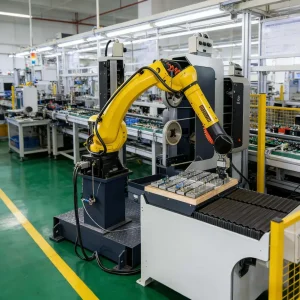
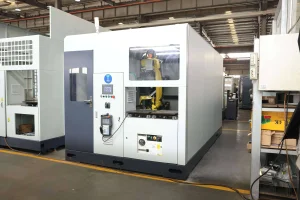
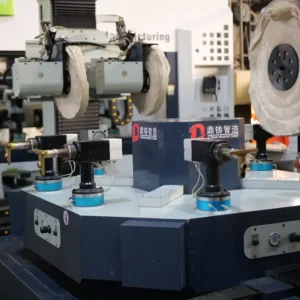
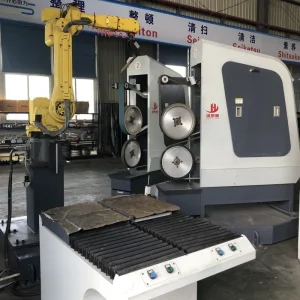
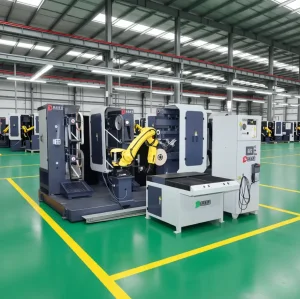
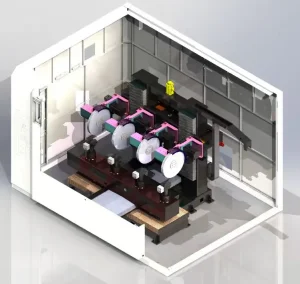
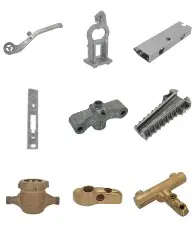
Fully automatic grinding cells that handle multi-material polishing for zinc, aluminum, and brass.
Standardized parts warehouses in overseas outlets cover 80% of wearing parts for immediate replacement.
We don't just sell machines; we provide full-cycle support from selection to automated process upgrading.
Certified equipment (CE/ISO) trusted by Tier 1 manufacturers in over 80 countries.
Answering your technical and procurement queries
Robotic polishing provides 100% consistency, reduces scrap rates by up to 25%, and protects workers from harmful dust and repetitive strain injuries. It allows for 24/7 operation, significantly increasing throughput for wholesale manufacturers.
Yes, our multi-material polishing equipment is designed with adjustable pressure and variable speed controllers to handle brass, aluminum alloy, and zinc alloy without damaging the substrate.
Standard machines are often in stock, but custom-engineered robotic cells typically have a lead time of 8-12 weeks, including design, assembly, and rigorous testing to ensure E-E-A-T standards are met.
Absolutely. We have localized service centers in multiple countries. Our expert engineers provide on-site setup and comprehensive training for your operators to maximize equipment ROI.
Let us help you seize the dual high ground of quality and efficiency in the global competition.
Query Project Quotation Dingzhu auto