Explore our leading industrial robotic cells and automated grinding machines designed for high-end manufacturing lines globally.
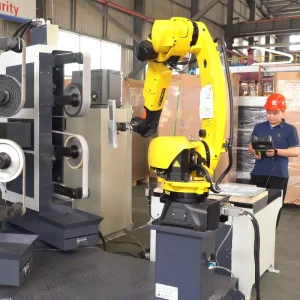
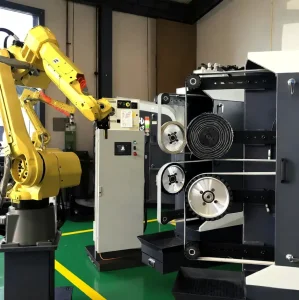
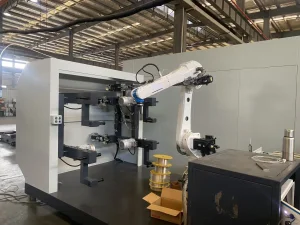
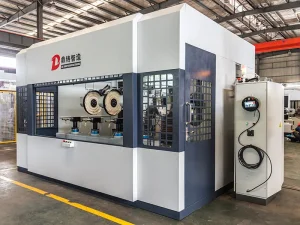
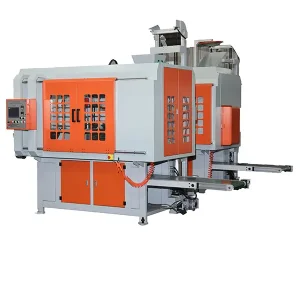
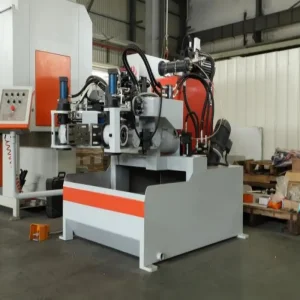
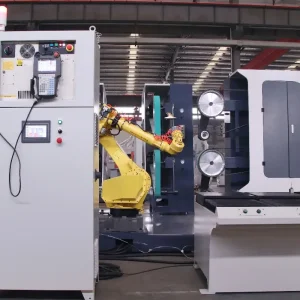
Understanding why automated robotic compliance and smart path-planning technologies are critical for modern industrial operations.
For decades, surface finishing was the primary bottleneck in metal manufacturing, casting foundries, and precision engineering. Manual grinding and polishing not only presented chronic operational vulnerabilities—such as high labor turnover, severe occupational hazards like silicosis and Hand-Arm Vibration Syndrome (HAVS)—but also failed to provide the consistent dimensional tolerances required by modern high-end assemblies. Variations in manual force, fatigue levels, and wear on abrasives produced unacceptable standard deviations in surface roughness (Ra) across production lots.
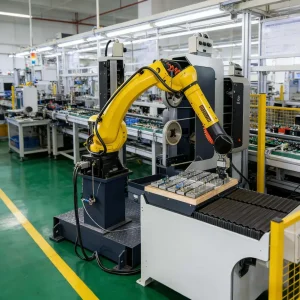
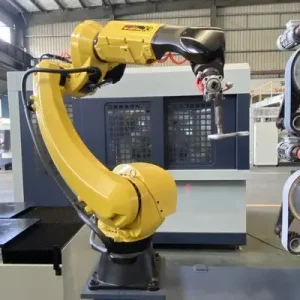
The introduction of the Intelligent Polishing System represents a paradigm shift. Today’s industrial landscape demands automated cells that combine advanced 6-axis articulated robots, real-time force feedback sensors, and sophisticated CAD/CAM offline programming software. These systems do not merely replicate manual motions; they dynamically adapt to geometric irregularities in raw castings, adjust contact force down to single-digit Newtons, and compensate for abrasive wear continuously. By shifting processing parameters from human discretion to deterministic algorithms, international factories achieve flawless surfaces—whether they are processing sanitary brass fittings, structural aerospace components, or cast automotive engine blocks.
As a leading hub for high-performance equipment, Chinese manufacturers and exporters are pioneering this automation sweep. By leveraging complete native supply chains and combining state-of-the-art robotic controllers with specialized process knowledge, they provide global enterprises with unmatched industrial efficiency, enabling high-speed operations without sacrificing precision.
Employs dynamic force-torque feedback (typically via piezoresistive or strain gauge arrays) to keep constant surface contact. This eliminates issues related to gouging, over-grinding, and insufficient material removal across complex, non-linear geometries.
Advanced vision systems scan the unique contours of each raw casting upon entry. Real-time path-planning algorithms then adjust the nominal toolpath to account for volumetric shrinkage, gate size variations, and casting tolerances.
Abrasive belts and grinding discs inevitably degrade during high-speed operations. The system monitors cumulative spindle current, rotational torque, and contact depth, incrementally shifting the robot coordinates to ensure uniform finishing.
Established in 2016, Xiamen DingZhu (DZ) Intelligent Equipment Co., Ltd. is a leading manufacturer specializing in the research, development, and manufacturing of premium automated foundry, casting, and surface finishing machinery. Over years of intensive innovation, we have developed a broad portfolio of technologies engineered to modernize industrial plants worldwide.
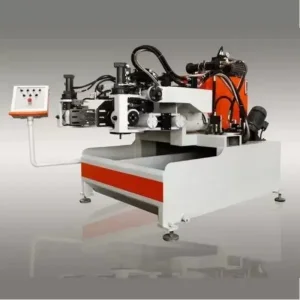
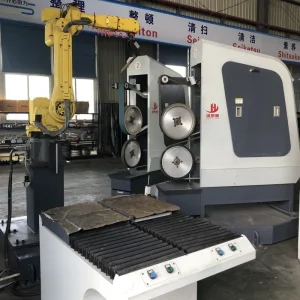
Our solutions span key manufacturing steps: from advanced sand core shooting machines and high-performance gravity die casting machines to automatic Low Pressure Die Casting (LPDC) machines and highly sophisticated robotic cell grinding and polishing systems. We serve global market segments including plumbing hardware, premium sanitary ware, complex automotive spares, industrial valves, and aerospace castings.
By blending structural mechanical expertise with cutting-edge robotic path-planning, Xiamen DingZhu enables factories in dozens of countries to eliminate manual bottlenecks, boost material throughput, and achieve consistent quality standards.

Why Tier-1 industrial buyers partner with China's top-tier specialized equipment manufacturers.

Our core engineers bring over 20 years of technical heritage. Every equipment platform undergoes extensive field validation in multi-shift high-volume foundries, driving failure rates well below the industry average.

We provide full life-cycle engineering support, from initial part geometry evaluation, simulation, and fixture design, to onsite integration, commissioning, and system training.

We maintain active regional service hubs in India, Egypt, Turkey, Iran, and beyond, guaranteeing 24-hour on-site responsive technical support to minimize downtime.

Standardized components are stocked locally across our global depots. By keeping common wear parts readily available, we eliminate customs wait times and boost field maintenance efficiency by 60%.
Our intelligent polishing and grinding systems are deployed across various high-value industries globally, resolving their specific manufacturing challenges.
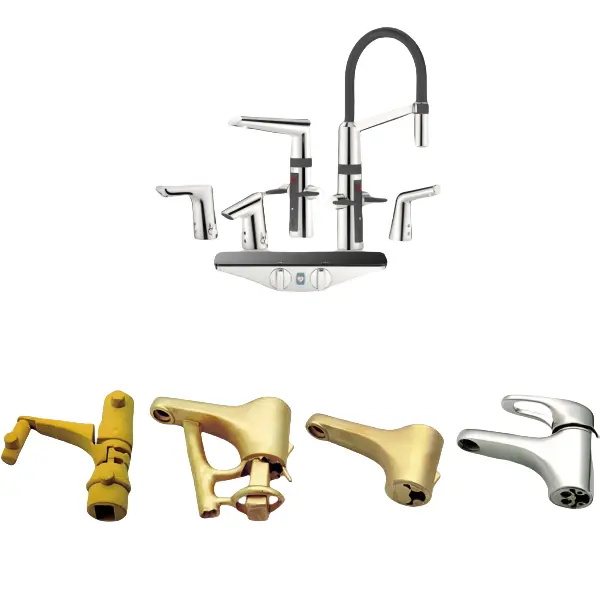
Achieving clean mirror-like surfaces on complex brass faucets, shower valves, and mixer bodies. The robotic cell maintains strict geometric consistency, preparing surfaces perfectly for subsequent electroplating stages.
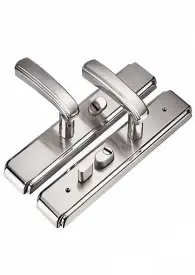
Specialized deburring and precision finishing for zinc-alloy door handles, decorative plates, lock cylinders, and aluminum hinges. The cell processes high volumes while keeping sharp, defined cosmetic lines intact.
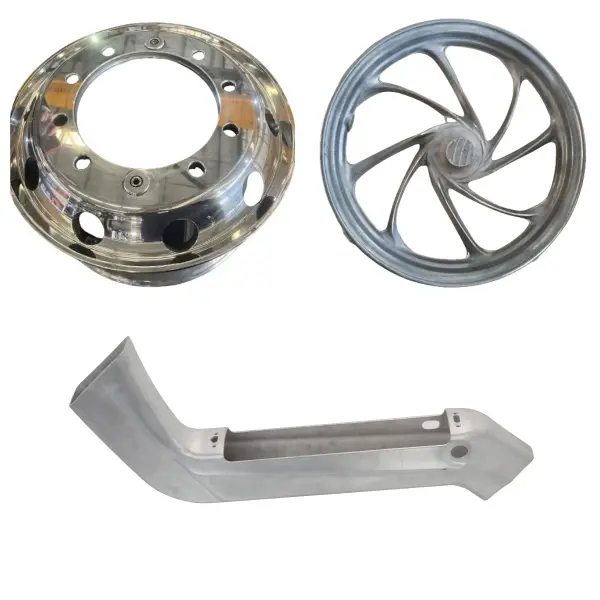
High-volume automatic deburring and surface preparation for structural aluminum die-cast parts, steering knuckles, turbocharger housings, motorcycle engine components, and truck alloy wheels.
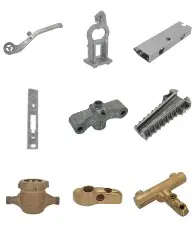
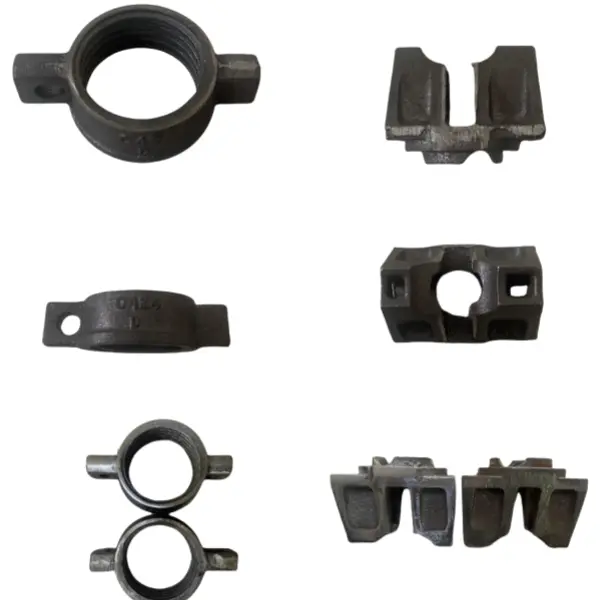
Heavy-duty grinding cells developed to clear substantial sand casting flashing, riser gates, and parted-line seams from iron and steel alloys. These cells feature rugged structural components and dust-tight cabinets.
Specialized programs for processing non-linear surfaces on intricate parts. Using offline programming software, paths are calculated to finish multi-directional contours in a single uninterrupted operation.
How Xiamen DingZhu delivers seamless technological convergence from raw molten metal to finished product.
A stand-alone polishing robot is only as efficient as the casting quality that precedes it. At Xiamen DingZhu, our deep industry expertise lies in designing integrated process loops that optimize both quality and efficiency. By analyzing how casting technologies interact with subsequent finishing steps, we build machines that complement each other across your entire production line.
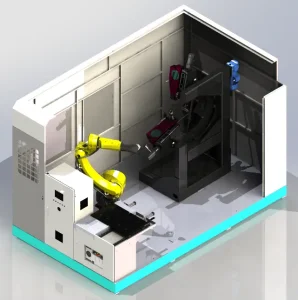
For instance, when a foundry integrates our Precision Engineered Sand Core Shooters, they achieve highly precise internal cavities, reducing wall-thickness variations. Following this, our Gravity Die Casting Machines or LPDC Systems control cooling rates and alloy crystallization, minimizing internal gas porosity and surface cracks. This precise casting process yields parts with minimal flashing and predictable parting lines. When these castings reach our Robotic Grinding and Polishing Cell, the active force compliance mechanism easily handles the consistent surface variation. The robot works within predictable parameters, extending tool life, reducing abrasive consumption by up to 35%, and maximizing total line throughput.
Furthermore, our platforms communicate via standard industrial protocols (like OPC-UA and EtherNet/IP). This allows plant managers to capture cycle-by-cycle metrics, monitor machine health, and implement predictive maintenance schedules, realizing a true smart factory floor.
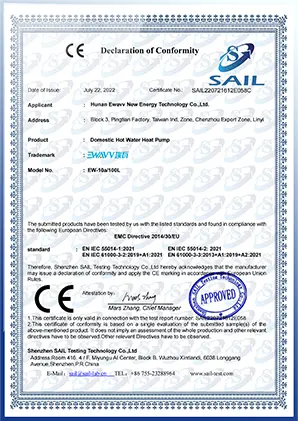
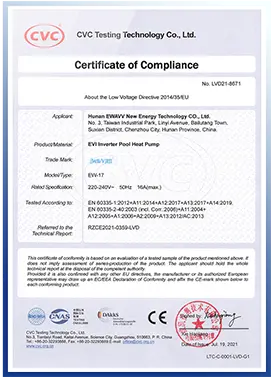
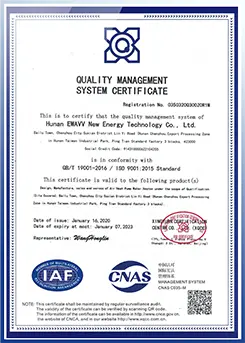
Our commitment to rigorous quality control is backed by industry certifications, enabling seamless integration into international plants.
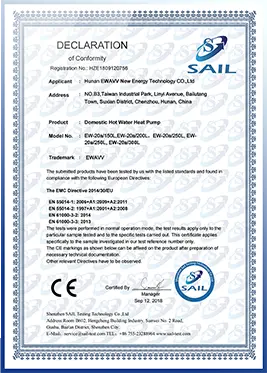
Expert insights addressing key technical, commercial, and integration questions for manufacturing plants worldwide.
Our systems utilize Active Force Control (AFC) modules combined with 3D machine vision sensors. Upon entering the cell, the part can be scanned to map its unique geometry. During processing, the force controller measures tactile resistance and adjusts the robot's real-time trajectory (at sub-millisecond intervals) to maintain a constant contact force. This prevents over-grinding on dimensional highs and ensures thorough material removal on structural lows.
Most factories achieve a full Return on Investment (ROI) within 12 to 18 months. This return is driven by a 300% to 450% increase in output per shift, a significant reduction in abrasive waste (up to 40% savings via uniform tool pressure), lower scrap rates, and reduced occupational liability claims associated with manual grinding dust and vibration hazards.
Yes. We design and manufacture custom pneumatic, hydraulic, and magnetic grippers tailored to your parts' CAD geometries. We run offline reach simulations and collision checks during development to optimize path cycle times before manufacturing begins.
Our systems feature automatic tool wear compensation. As belts or wheels wear down, the system tracks variables like motor spindle torque and encoder positions. The controller automatically calculates the loss in abrasive volume and shifts the robot's TCP (Tool Center Point) coordinates, ensuring consistent surface quality (Ra) throughout the abrasive's life.
Safety is paramount when processing materials like aluminum or magnesium, which can produce explosive dust. Our cells feature fully enclosed, negative-pressure working chambers, spark-arresting exhaust hoods, wet-dust collectors, and explosion-proof (ATEX/NFPA-compliant) extraction plumbing to keep the plant air clean and safe.
We provide remote diagnostics capabilities via secure VPN connections to assist your team in real time. For hands-on support, our localized service depots in regions like India, Egypt, Turkey, and Iran carry standard replacement parts and dispatch experienced field service engineers to ensure minimal disruption to your operations.
Discover our complementary casting, grinding, and multi-axis finishing technologies for comprehensive line modernization.
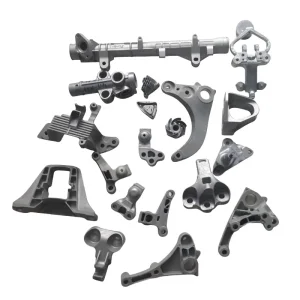
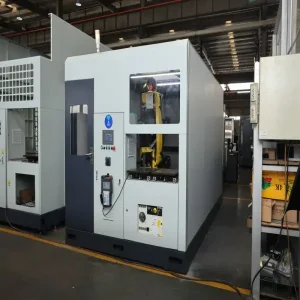
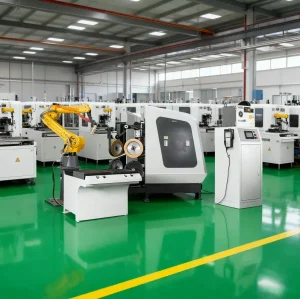
Partner with Xiamen DingZhu (DZ) to integrate robust castings, automated die casting systems, and intelligent polishing technology. Contact our engineers today for a custom analysis and formal system quotation.
Query Project Quotation Dingzhu auto