Choosing the right CNC Surface Finishing Machine can be challenging. With the market projected to grow at a CAGR of 5.3% from 2021 to 2026, the options are vast. This growth highlights the increasing demand for precision in manufacturing. Companies seek machines that offer not only efficiency, but also superior surface finishes.
One report indicates that 75% of manufacturers regret not investing more in machine upgrades. This reveals a critical gap in decision-making. Investing in a quality CNC Surface Finishing Machine enhances product quality and operational efficiency. However, selecting the best one requires in-depth knowledge of various factors.
Considerations include operational costs, maintenance, and technology updates. Many manufacturers feel overwhelmed by technical specifications. They often overlook long-term impacts, leading to suboptimal choices. It’s essential to evaluate each option thoroughly and seek expert insights. This ensures a worthwhile investment that aligns with your production goals.
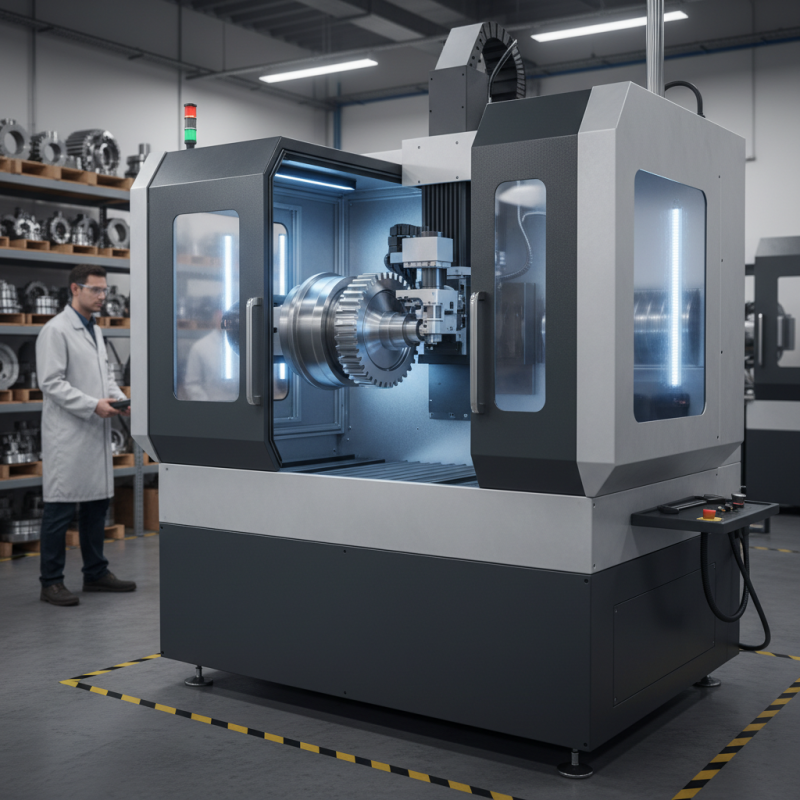
When choosing a CNC surface finishing machine, several criteria are essential to consider. Start by assessing the machine's capabilities, such as its precision and speed. High precision ensures consistent results, while adequate speed can enhance productivity. Look for a machine that offers adjustable settings, enabling it to handle various material types with ease.
Tips: Always check for user reviews. Real feedback can reveal hidden issues. Don't rush this process. Take your time to understand your specific finishing needs.
Another key factor is the level of automation. Machines with advanced automation tend to reduce manual intervention. This can minimize errors and decrease production time. However, automation comes with its challenges. It's essential to find a balance that fits your existing workflow.
Tips: Consider your team's skill level. A highly automated machine might require specialized training. Factor in maintenance requirements, as some machines need more frequent servicing, which can impact long-term costs.
When selecting a CNC surface finishing machine, understanding the various finishing processes is crucial. CNC machining can involve processes such as sanding, polishing, and bead blasting. Each method offers unique benefits and applications. Sanding is effective for smoothening surfaces and preparing parts for coatings. It uses abrasive materials to remove imperfections. Polishing, on the other hand, emphasizes achieving a high-gloss finish. This technique often requires fine abrasive compounds and specialized tools.
Bead blasting is another method worth considering. It uses small beads to clean and texture surfaces. While effective, it can lead to surface layer removal. It's essential to consider these nuances for your specific materials and desired finish. The choice of process greatly impacts the final product quality. Lack of knowledge can lead to suboptimal finishes or damage to the workpiece.
Balancing different finishing techniques can be challenging. Each process has its strengths and weaknesses. Evaluating your goals, such as durability and aesthetic quality, is vital. Be open to experimenting with combinations of methods. This exploration can yield new insights. Ultimately, the best choice aligns with your project's specific needs and complexities.
When selecting a CNC surface finishing machine, several key features and specifications play vital roles in ensuring optimal performance. Look for precision in machining. A machine that guarantees a tolerance of ±0.01 mm can significantly enhance product consistency. Additionally, a robust spindle speed ranging between 10,000 to 30,000 RPM often correlates with better surface quality. According to industry reports, machines with variable speed settings help tailor machining processes to specific materials.
Another important specification is the machine's control system. Advanced CNC systems offer intuitive interfaces and programmable cycles. This can drastically reduce training time for operators. Moreover, error detection features in modern machines can prevent costly mistakes. Potential buyers should also consider the machine's reliability and maintenance needs. Those with lower maintenance downtime generally yield a better return on investment.
Tips: Pay attention to the manufacturer's support services. Reliable customer support can save time and resources. Also, ensure proper training for operators to maximize machine capabilities. Regular reviews of machine performance can lead to insights on potential improvements. Avoid overlooking this aspect, as even advanced machines require user expertise for efficient operation.
When selecting a CNC surface finishing machine, evaluating industry standards and certifications is crucial. Many machines boast impressive features, but true quality often lies in compliance with established norms. Look for certifications like ISO and CE, which indicate that equipment meets international safety and performance standards. Without these certifications, manufacturers might risk compromising their operations.
Industry standards not only assure the machine's reliability but also reflect its adaptability in various applications. Compliance can reveal how suitable a machine is for specific tasks, from metalworking to woodworking. When machines lack proper certifications, users might encounter unexpected failures or subpar finishes. Such outcomes can lead to wasted time and resources, causing significant operational downtime.
Going beyond certifications, consider the machine's reputation in real-world applications. User reviews and industry feedback can offer critical insights. Yet, not all users’ experiences align with reality. Discrepancies may arise, prompting buyers to differentiate between informed evaluations and anecdotal claims. It's essential to weigh these factors carefully, ensuring the chosen machine aligns with your operational needs while maintaining industry standards.
When considering a CNC surface finishing machine, understanding market options is crucial. The leading brands vary in capabilities. Some offer advanced automation features. Others excel in precision. It's essential to evaluate each model's specifications carefully. Focus on factors like ease of use and maintenance. Performance metrics can greatly influence your choice.
One tip for selecting a suitable machine is to assess your specific needs. Determine the materials you will be working with. Different machines handle materials uniquely. If you require intricate designs, opt for models with higher precision. Always check reviews from users on performance and reliability. Genuine feedback can help you avoid common pitfalls.
Another aspect to consider is the support offered by manufacturers. A strong warranty and responsive customer service can save you trouble later. Some models may have hidden costs for repairs or parts. Scrutinize these aspects to avoid future dissatisfaction. Investing time in research can lead to a more informed decision. Remember, not every high-priced option guarantees the best quality. Balance your budget with the required features for optimal results.
| Model | Type | Max Table Size (mm) | Power (kW) | Speed (RPM) | Weight (kg) |
|---|---|---|---|---|---|
| Model A | CNC Milling | 1200 x 800 | 5.5 | 1500 | 750 |
| Model B | CNC Lathe | 1000 x 600 | 4.0 | 1800 | 500 |
| Model C | CNC Router | 1500 x 1200 | 6.0 | 1200 | 800 |
| Model D | CNC Grinder | 800 x 400 | 7.5 | 900 | 600 |
| Model E | CNC Plasma | 2000 x 1500 | 8.0 | 700 | 900 |
: Compliance with standards ensures machine reliability and adaptability for various tasks. Non-compliance may lead to failures.
Certifications like ISO and CE indicate that equipment meets safety and performance standards. They are essential for quality assurance.
User feedback can provide insights into performance. However, experiences can differ, so evaluate reviews critically.
Assess your specific needs, including materials and precision requirements. Each machine handles tasks differently.
Investigate warranty and customer service options. Hidden repair costs can arise if not carefully checked during selection.
Not necessarily. A higher price doesn't guarantee quality. Balance your budget with the features you need for optimal results.
A machine's reputation can indicate its performance in real-world applications. Researching is essential for informed choices.
The ease of maintenance affects long-term usability. A machine that is hard to maintain may lead to operational issues later.
No, while certifications are important, real-world performance and user feedback are also critical to ensure suitability.
Carefully evaluate specifications and how they align with your requirements. Thorough research is vital for a good match.
Choosing the best CNC surface finishing machine requires careful consideration of several key criteria. It’s essential to understand the various types of CNC surface finishing processes, as these determine the machine’s suitability for specific applications. When selecting a CNC machine, one should pay close attention to its features and specifications, such as precision, speed, and operational versatility. Additionally, evaluating industry standards and certifications can help ensure that the equipment meets necessary quality and safety benchmarks.
A comparative analysis of the leading brands and models on the market reveals the diverse options available, enabling manufacturers to select machines that align with their production needs and budget constraints. By thoroughly assessing these factors, businesses can invest in a CNC surface finishing machine that enhances their operational efficiency and product quality.

Dingzhu auto